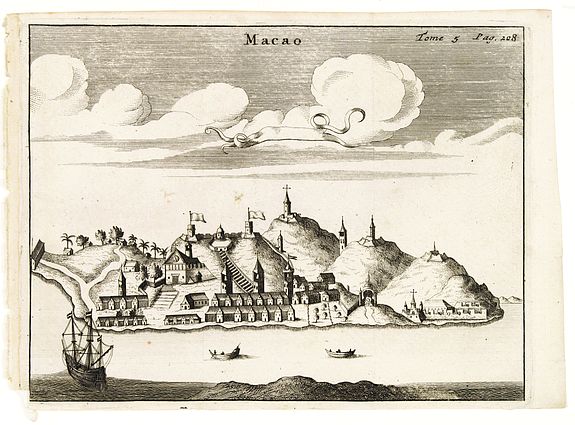
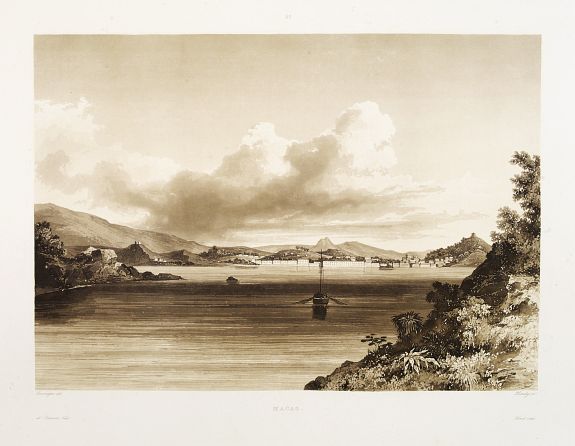
Macao
The year 1557 was generally accepted as the date of the Portuguese permanent settlement in Macao. The Ming Government was tolerant of their presence due to two dominant factors: a pragmatic pro-trade attitude towards deriving incomes from Customs dues and taxes, and the practical considerations of coastal defence against pirates and local rebels.
The first time I visited Macao must have been around 1990 and what made an everlasting imprint was remains of the Virgin Mary remains. The façade sits on a small hill, with 68 stone steps leading up to it.
Likely influenced by Japanese Christian craftsmen who worked on it, the ruins of St. Paul's include carvings with heterodox images that draw from Asian traditions, including Mary stepping on a seven-headed hydra, described in accompanying Chinese characters as "Holy Mother tramples the heads of the dragon".
The Japanese Christian craftsmen who worked on St. Paul's were converted by Jesuits and expelled from Japan in 1587 when Toyotomi Hideyoshi banned Christianity.