India
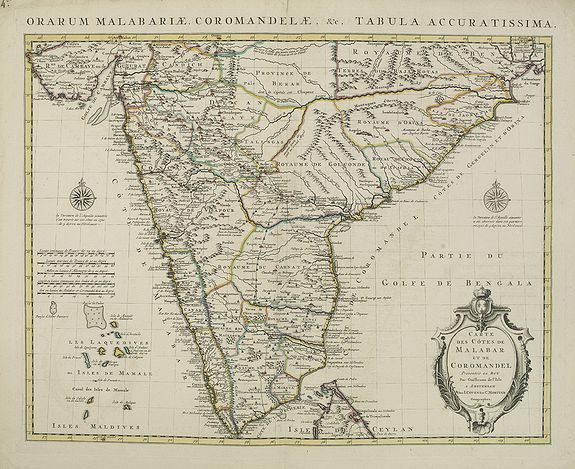
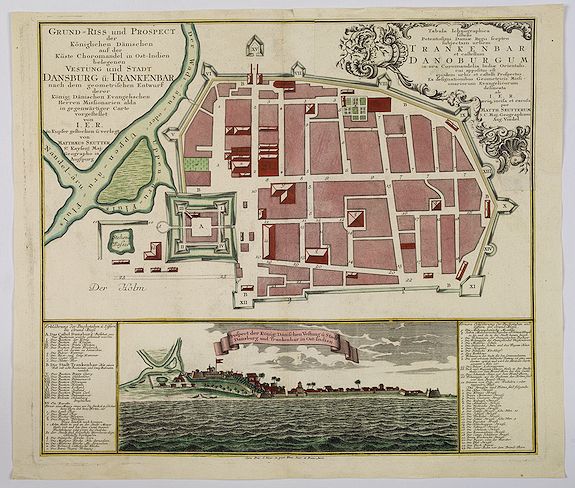
The Portuguese established a factory at the beginning of the sixteenth century, but were compelled to leave a century later by the ruler of Gingee, who found them unfriendly. After that the Danes shortly set up an establishment, and likewise the Dutch. The latter set up trading posts in Porto Novo and Cuddalore. The French, who had trading centres in the North,Mahe and Madras were invited to open a trading centre in Puducherry by the new ruler of Gingee to compete with the Dutch.
Goa
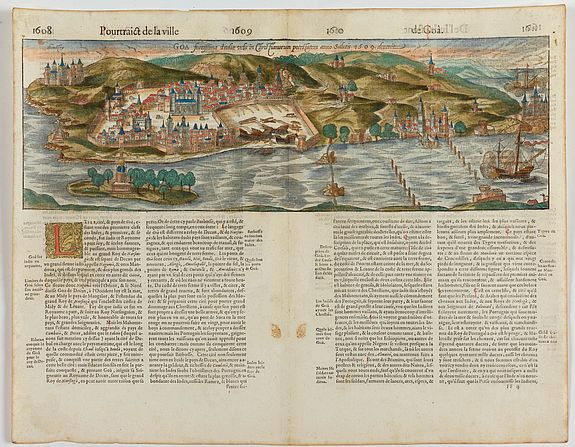
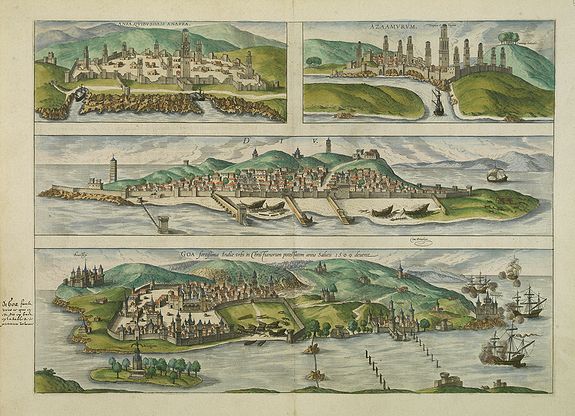
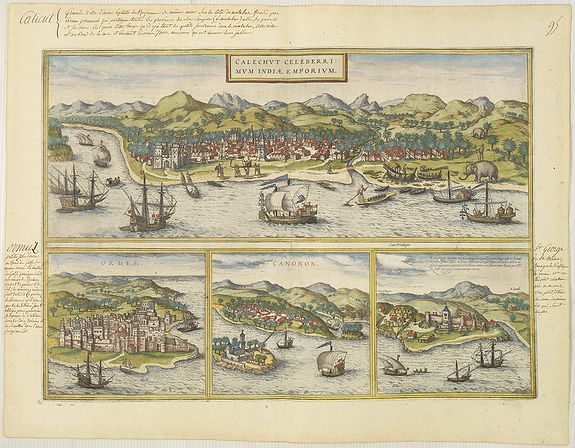
In 1510, the Portuguese defeated the ruling Bijapur kings with the help of a local ally, Timayya, leading to the establishment of a permanent settlement in Velha Goa (or Old Goa).
The Portuguese converted a large portion of their subjects in Goa to Christianity. The repeated wars of the Portuguese with the Marathas and the Deccan sultanate, along with the repressive religious policies of Portuguese led to large migrations of Goans to neighbouring areas. Goa was occupied by the British between 1812 and 1815 during the Napoleonic Wars.
Pondichérry
Puducherry, formerly known as Pondichérry when it was the headquarters of the French in India, is the Tamil term for "new town" and derives mainly from "Poduke", the name of the marketplace or "port town" for Roman trade in the 1st century. The settlement was once home to learned scholars versed in the Vedas; hence, it was also known as Vedapuri. The French changed the name to Pondichéry, which it was called until it was officially changed to Puducherry in 2006. [See our section on Pondéchérry]
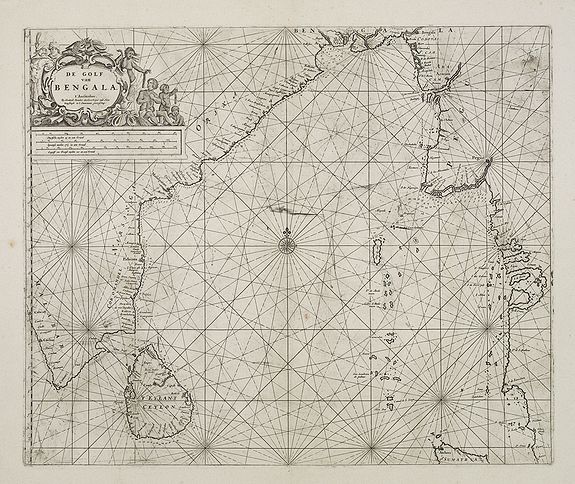
![23495/309:India Bay of Bengal, compiled chiefly from government survey.. [2 sheets]](/images/Lgimg/23495.jpg)
![27928/310:Ceilon Taprobana Ins. Tabula XII Asiae. [Sri Lanka.]](/images/Lgimg/27928.jpg)
