West Meets East - Japonisme
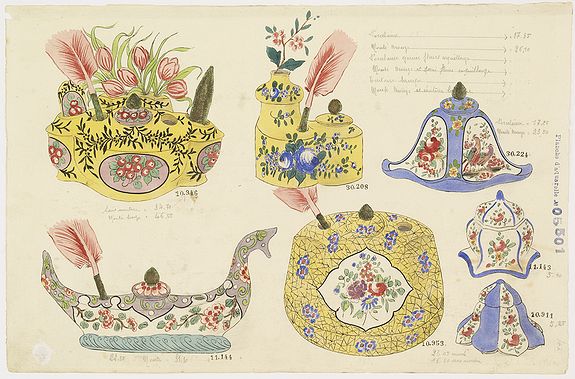
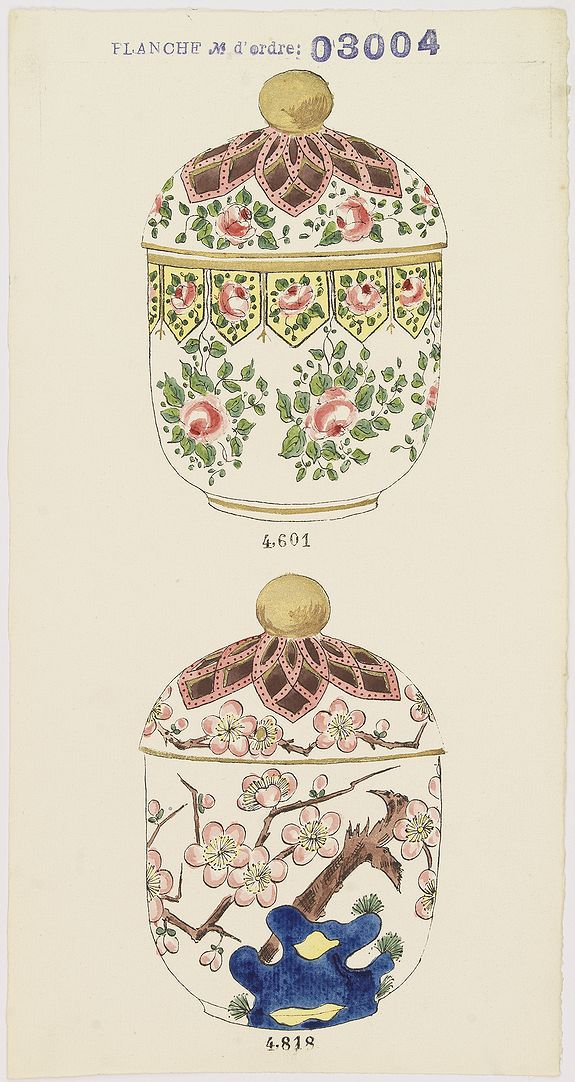
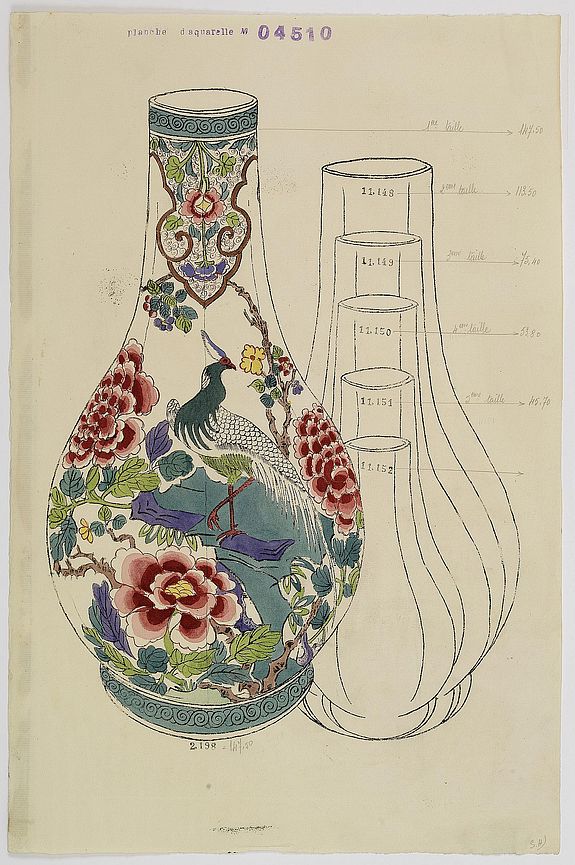
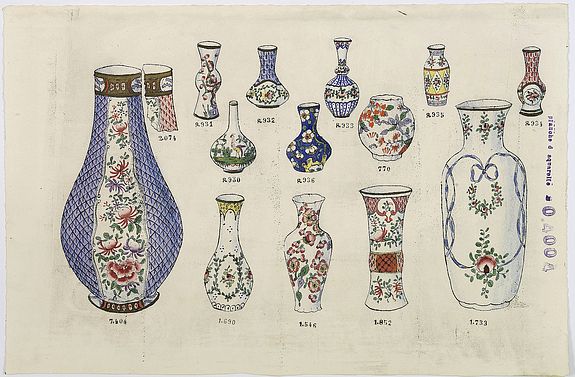
European decorative arts were not immune to Japonisme. Ceramics, glassware, furniture, and jewelry from the late 19th century widely incorporated motifs and techniques inspired by Japan.
In the second half of the 19th century, Europe’s enthusiasm for the hitherto almost unknown Japanese culture was enormous (Chesneau 1868, p. 21).
Japonisme in European Decorative Arts
Japonisme was an artistic movement that emerged at the end of the 19th century, profoundly influenced the European avant-garde. Thanks to Japan's forced opening to international trade, notably through the Convention of Kanagawa in 1854, Japanese objects flooded into Europe through world's fairs, art galleries, and auction houses.
European artists discovered with fascination a new, refined, and profoundly original aesthetic. This encounter would permanently transform the decorative arts, fashion, painting, and graphic arts in Europe.
In the second half of the 19th century, Europe’s enthusiasm for the hitherto almost unknown Japanese culture was enormous (Chesneau 1868, p. 21). Since fashion always seeks the new and original, the newly discovered Japanese aesthetic was predestined to shape the style and taste of an entire era, from 1860 to 1900 and beyond.
Accordingly, Japonism is well researched today through publications and exhibitions (most recently: Quette 2018). In particular, Akiko Fukai, former curator at the Kyoto Costume Institute, has extensively investigated the influence of Japonism on Western fashion (Fukai 1994, 1996, 1997, 2017).
As far as Japonism in fashion, most of the studies focused almost exclusively on European paintings, graphics, photographs and, of course, the existing garments that show Japanese influences.
See The Influence of Japonism on the Parisian Fashion Journals 1860-1900 by Esther Sophia Sünderhauf. https://costume.mini.icom.museum/wp-content/uploads/sites/10/2020/08/8.-The-Influence-of-Japonism-on-the-Parisian-Fashion-Journals-1860-1900-by-Esther-Sophia-Sünderhauf.pdf
Vincent Van Gogh
Van Gogh discovered Japanese prints (ukiyo-e) in Paris in the 1880s. He collected these works, drew direct inspiration from them in his compositions, and even made copies of famous prints such as those by Hiroshige.
Van Gogh's famous work "The Bridge in the Rain" (1887) is a direct reinterpretation of a Hiroshige print.
Claude Monet
Claude Monet was also fascinated by Japanese art, collecting hundreds of Japanese prints in his home in Giverny. His garden itself, with its famous Japanese bridge and water lilies, bears witness to this direct inspiration.
An iconic painting, "The Japanese Woman" (1876), depicting his wife in Japanese dress, perfectly illustrates this influence.
The works of Émile Gallé and the Daum company, for example, bear witness to this Japanese aesthetic influence, with their stylized floral designs and refined forms.
Chinese motifs