The oldest evidence of trade between East and West
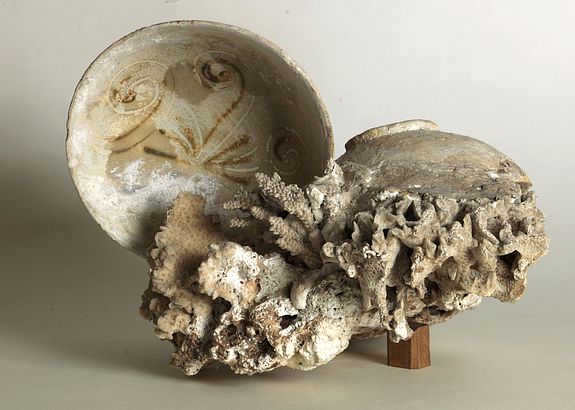
In 1998, a shipwreck was discovered off the coast of Belitung Island, Indonesia, by local fishermen. The wares found in the cargo of the Tang dynasty shipwreck reveals both the scale and sophistication of the trade occurring in the 9th century between Tang China and the Western or Abbasid world.
The cargo contained predominantly ceramics produced in China during the Tang dynasty (618–907 CE). The wreck constituted the largest single collection of Tang Dynasty artefacts to be found.
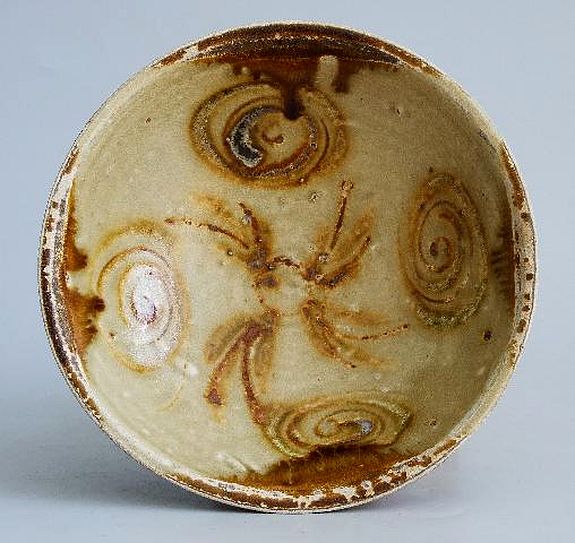
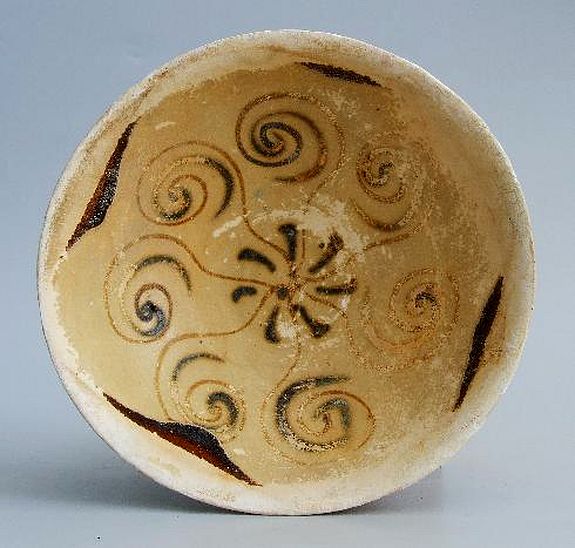
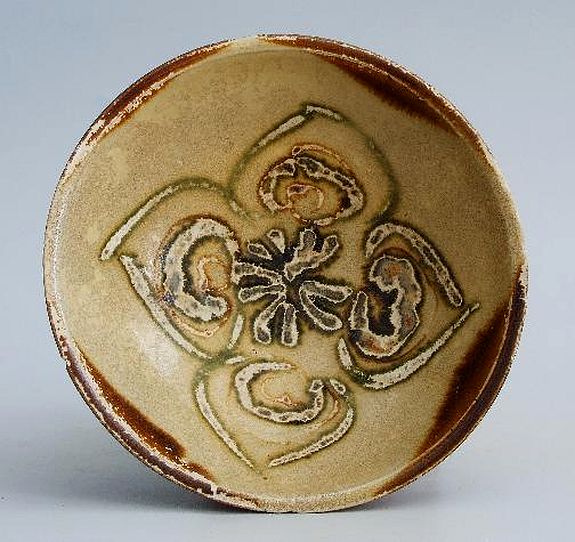
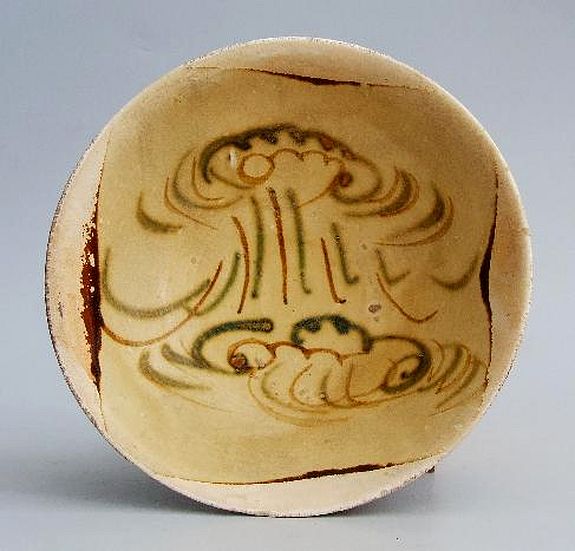
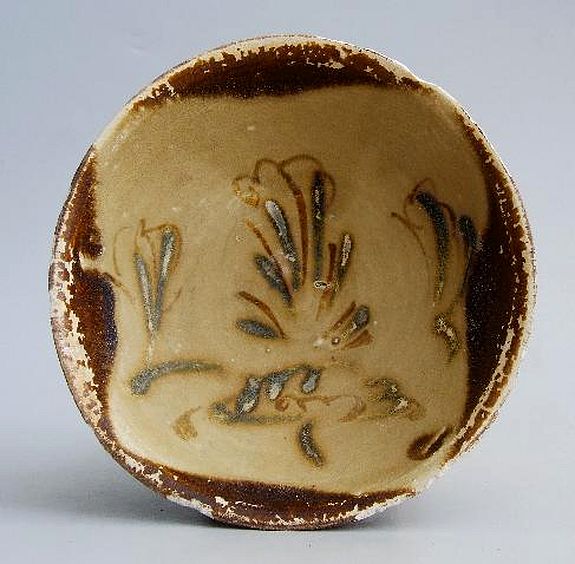
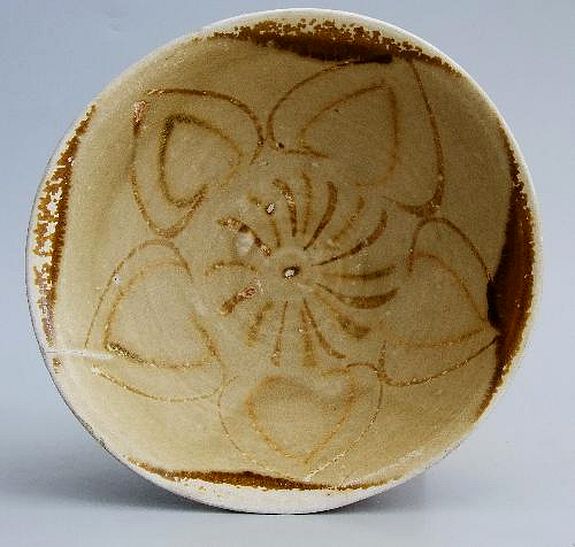
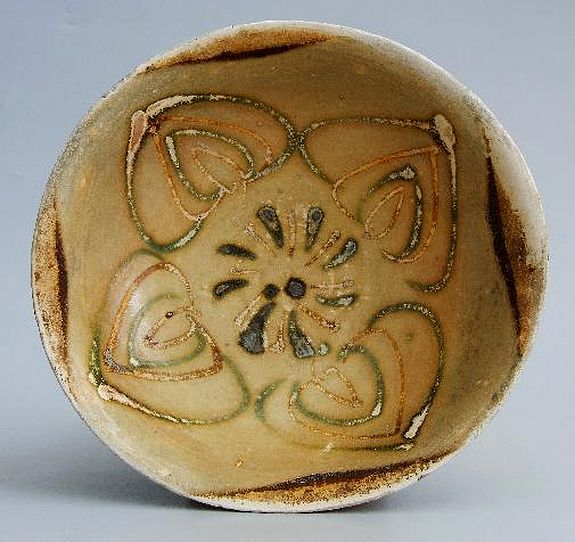
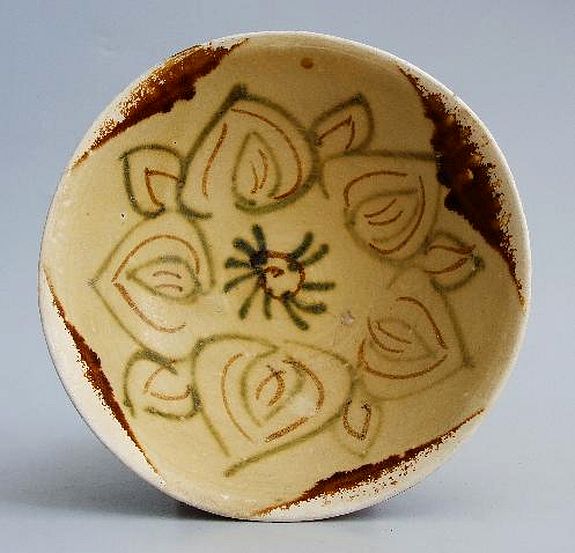
The wares found in the cargo of the Tang Shipwreck reveal both the scale and sophistication of the trade occurring in the 9th century between Tang China and the Abbasid world. They provide clear examples of the hybridity of consumer culture and of a cosmopolitan climate of exchange. Here materials such as Cobalt from the Iranian plateau, production techniques in Chinese ceramics, and the aesthetic tastes of the markets in Tang China and Abbasid West Asia, combined to produce unique trade wares. These included blue and white porcelain with Persian and Arabic design and hybrid objects like the dragonhead ewer. Importantly, the discovery of the Tang Shipwreck was an important turning point in the recognition of the role of the Maritime Silk Roads during the 9th century CE.The ship’s cargo was predominantly ceramics, small plates, made in Changsha, China (referred to as Changsha ware), each hand painted with a different design in greens and brown/reds. The volume of the ceramics on board reveals an ability to mass produce goods for export to foreign markets. Some of these ceramics were decorated with calligraphy or poetry, for which the Tang Dynasty was famous. Others were decorated with designs inspired by the natural world including fish, flowers, birds and mountains.