Sign In or Sign Up
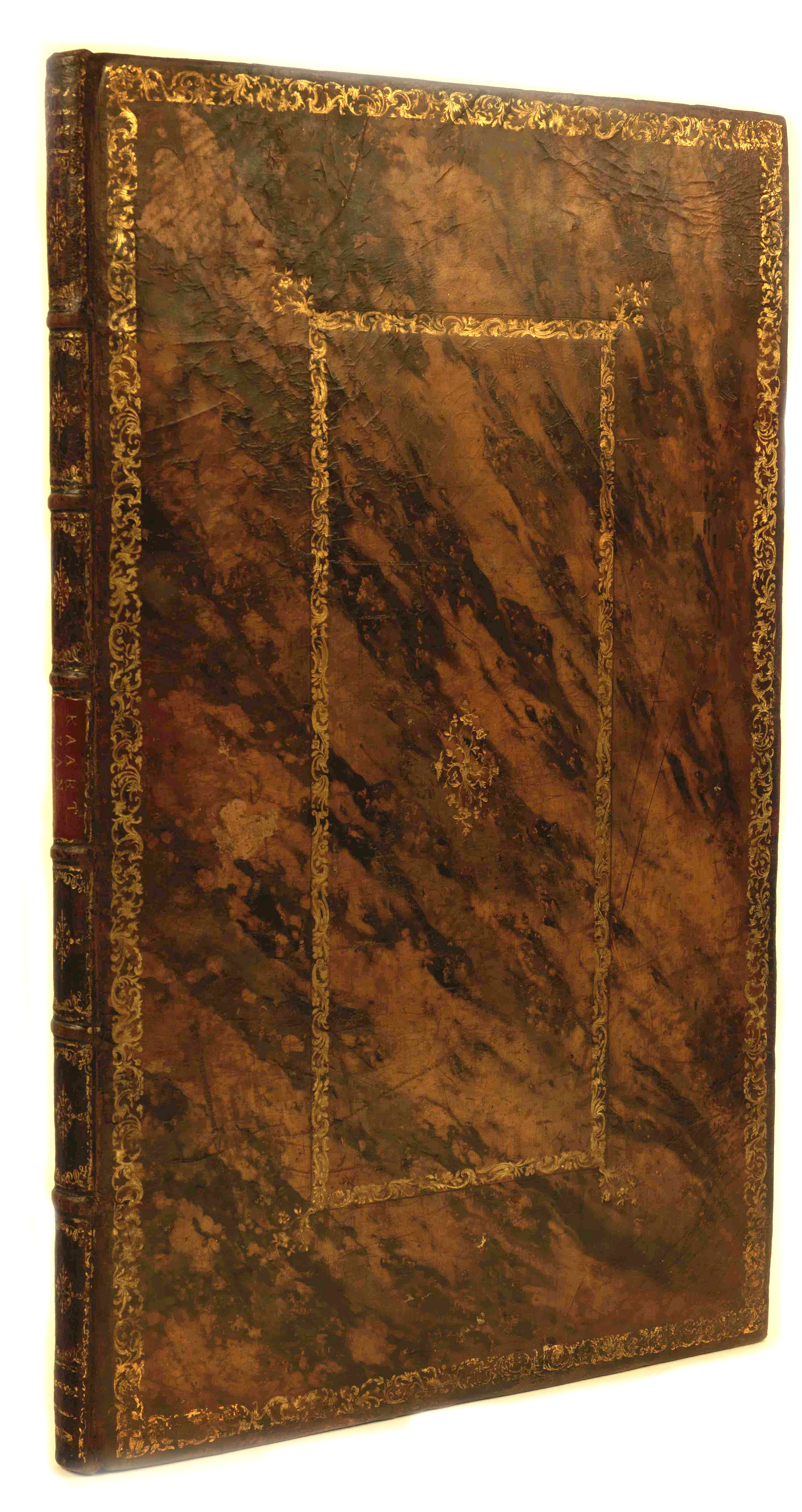
1750 KRUIKIUS, N. / J. - 't Hooge Heemraedschap van Delfland met alle de Steden, Dorpen, Ambachten, Litmaten, Polders, etc
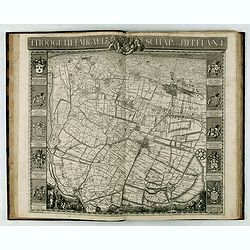
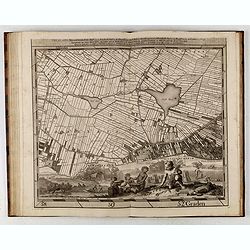
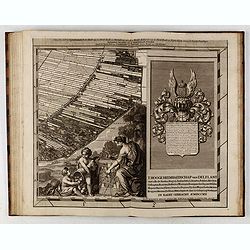
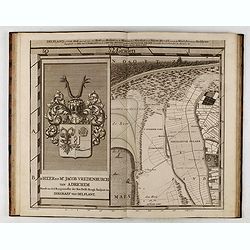
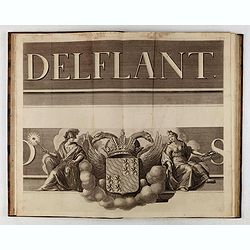
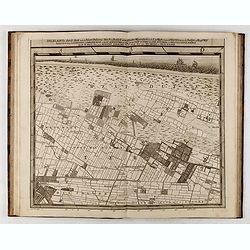
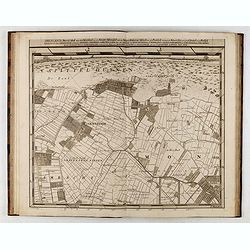
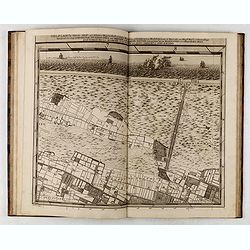
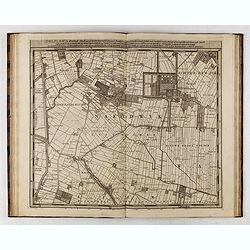
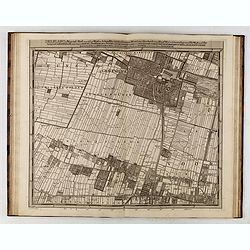
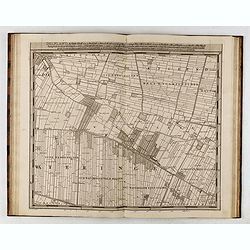
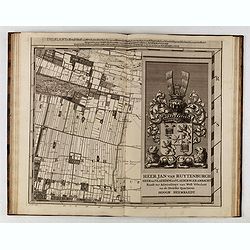
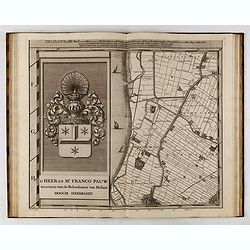
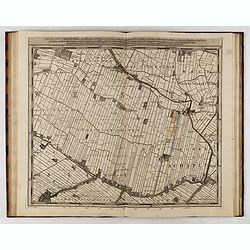
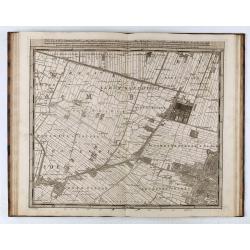
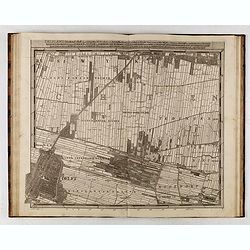
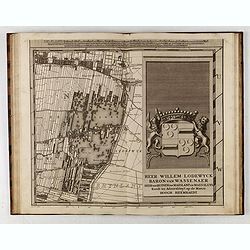
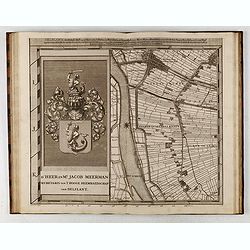
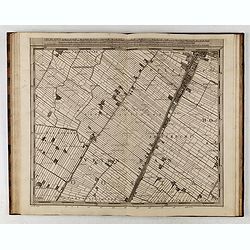
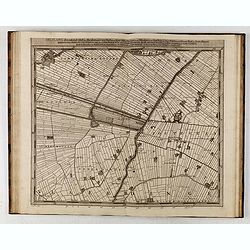
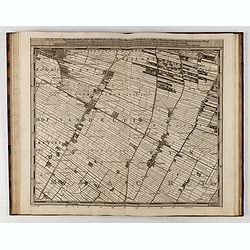
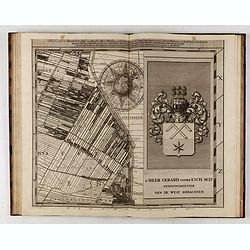
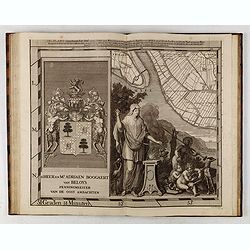
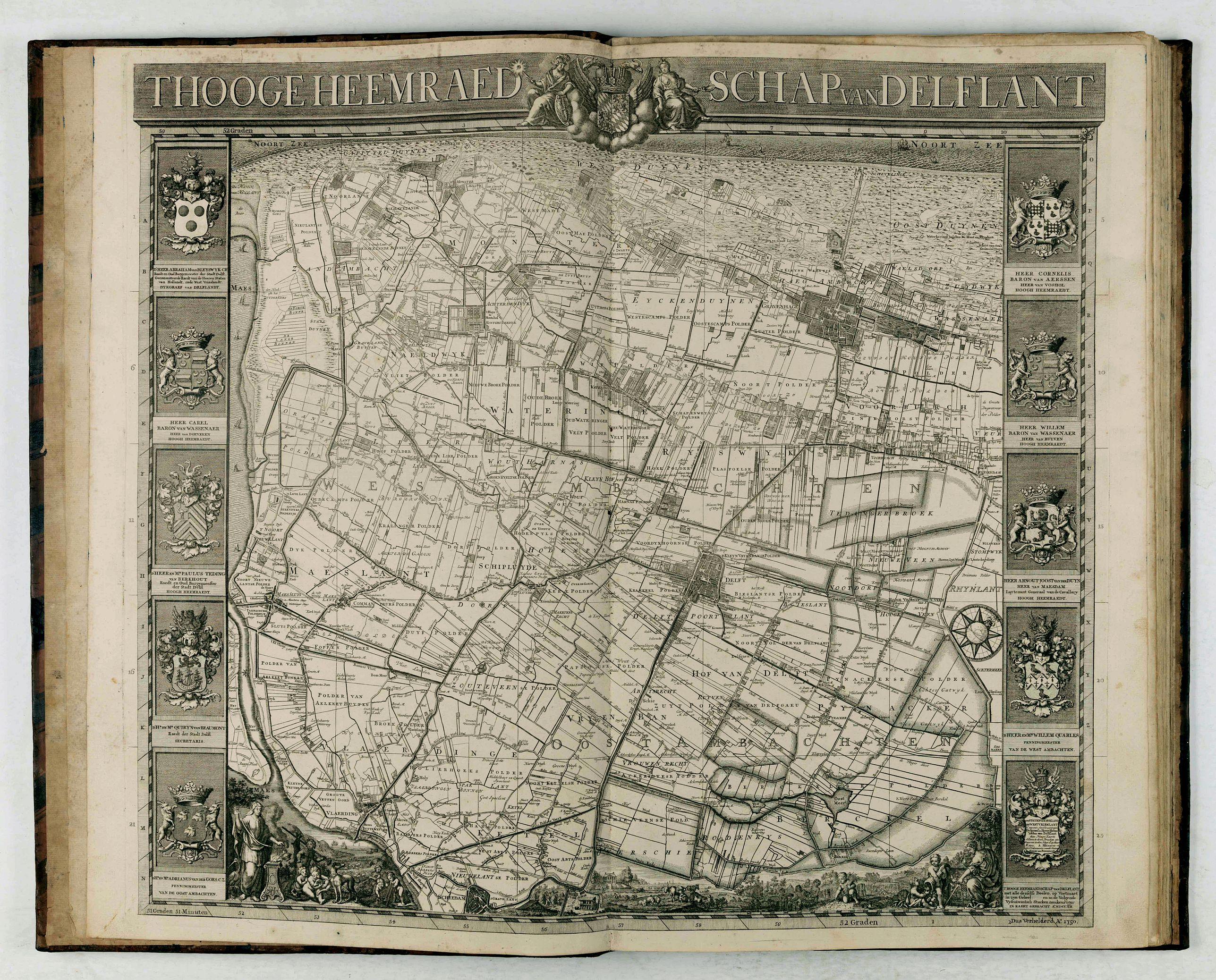
't Hooge Heemraedschap van Delfland met alle de Steden, Dorpen, Ambachten, Litmaten, Polders, (etc.).
| Maker: | KRUIKIUS, N. / J. | |
| Date: | Delft, 1712-1750 | |
| Colored: | Uncolored. | |
| Size: | 580 x 430 mm / 22.8 x 16.9 inches | |
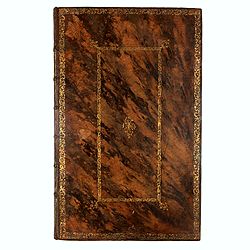
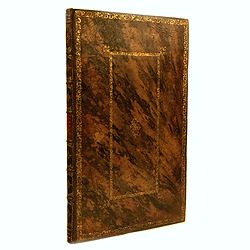
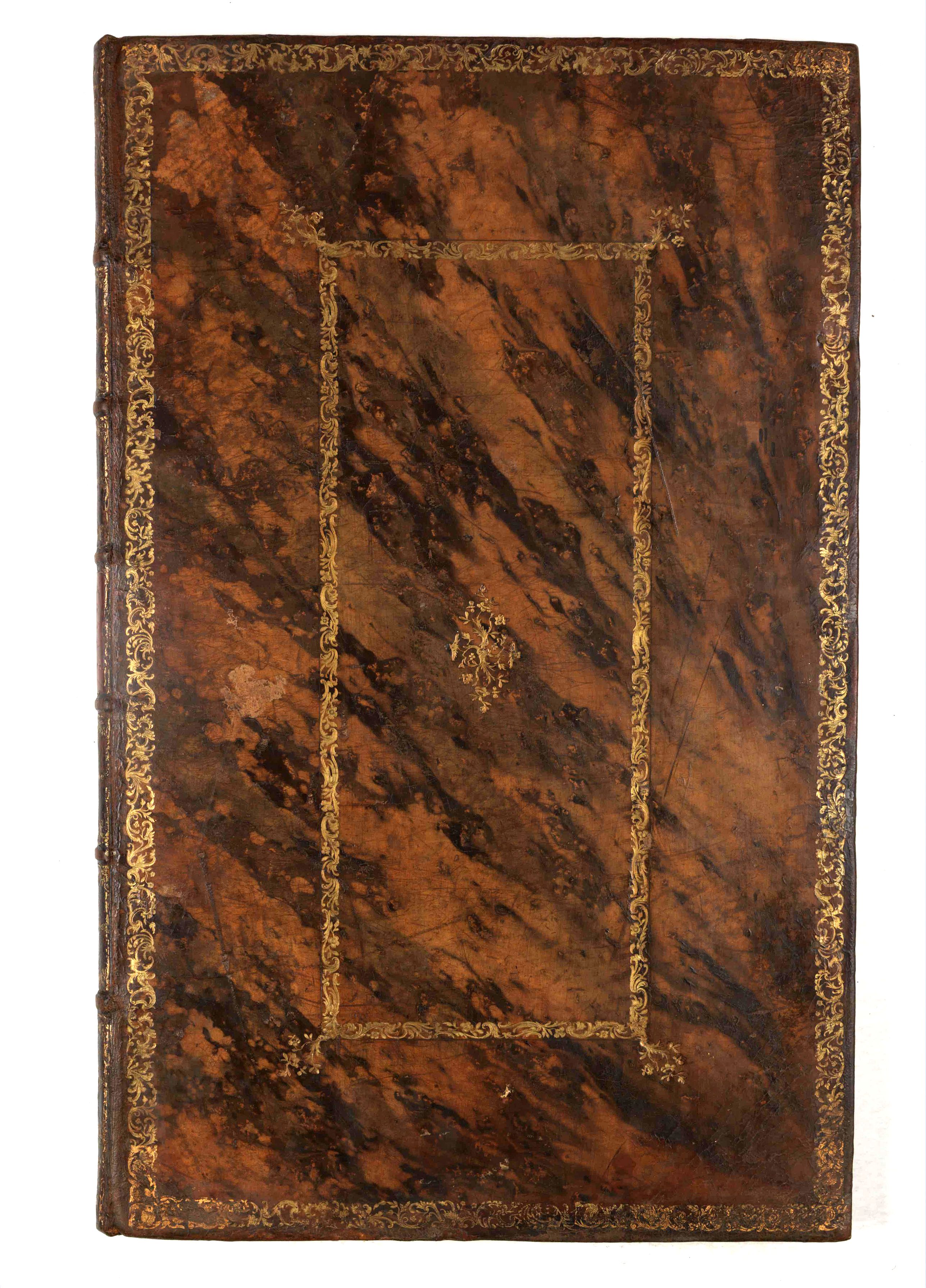
| Condition: | Large-folio. Cont. mottled calf with raised bands, richly decorated. gilt back, gilt lettering 'Delfland' on both sides, surrounded by 2 gilt decorated. borders. Engraved title in 2 parts, engr. general map (2nd, altered edition, dated 1750) 25 numbered maps. | |
You can choose from more than 30,000 items from our BuyNow Catalog or Archive.
It's free, and you can delete items from your to your Collection+ anytime.
 Add/Remove




Description
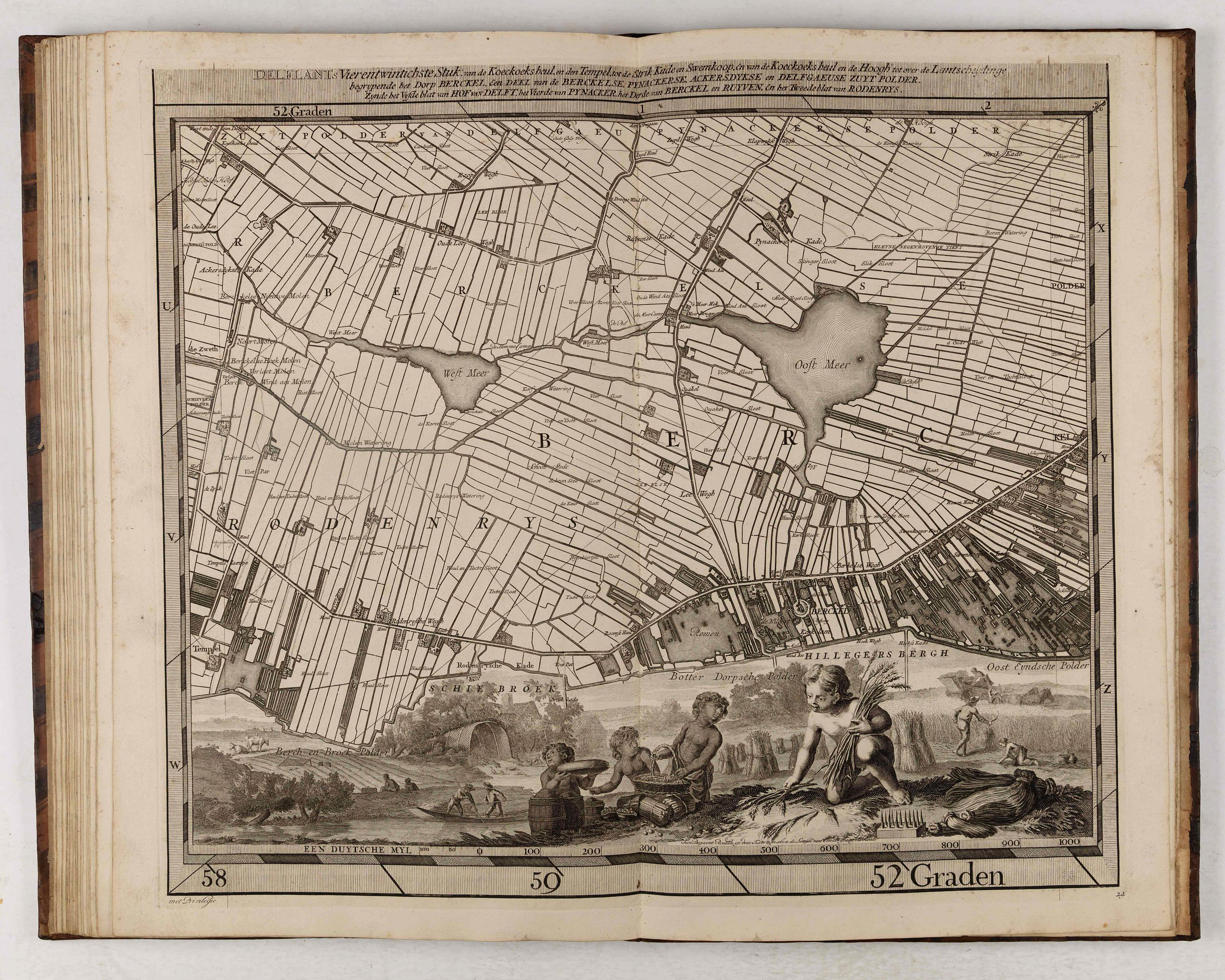
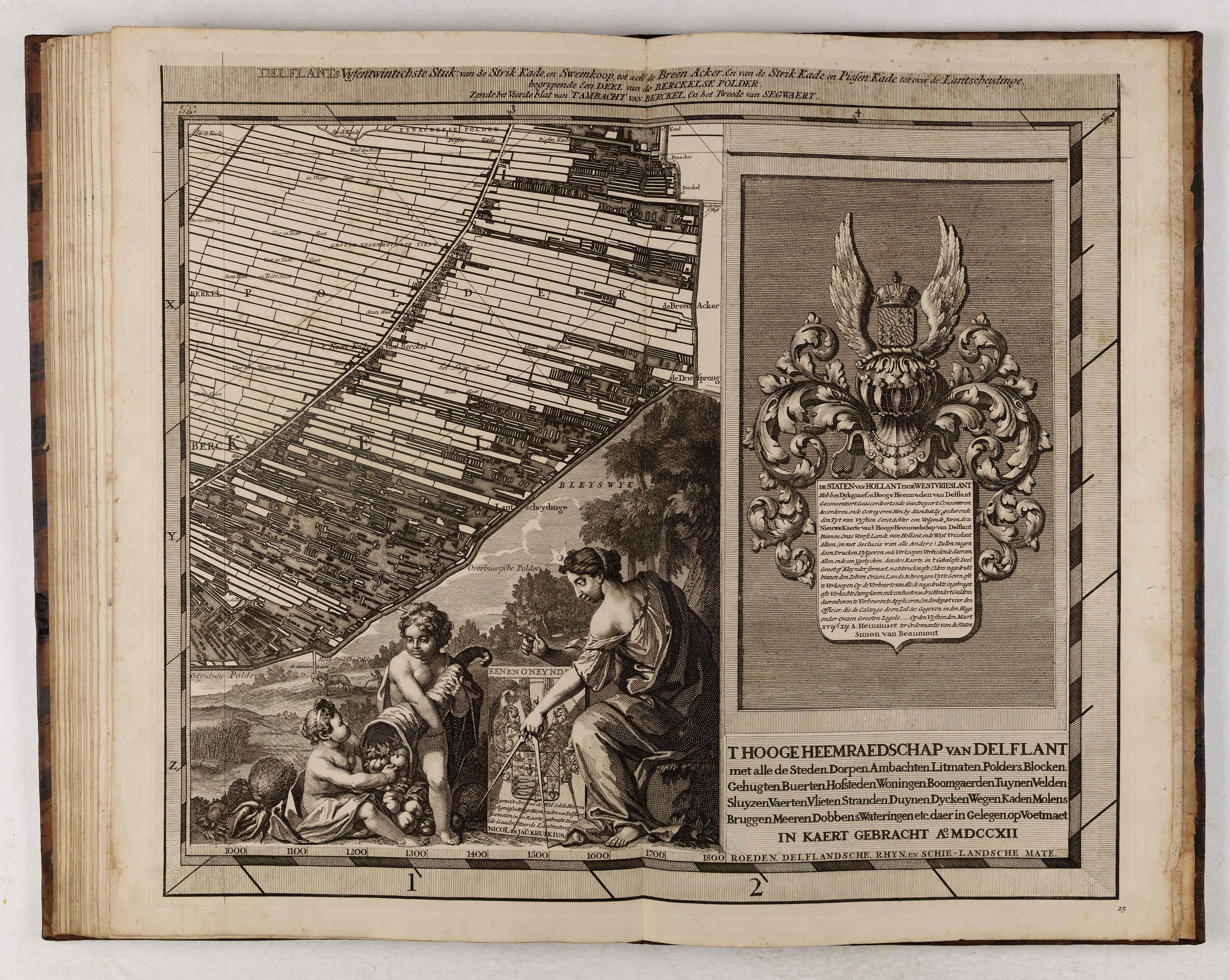
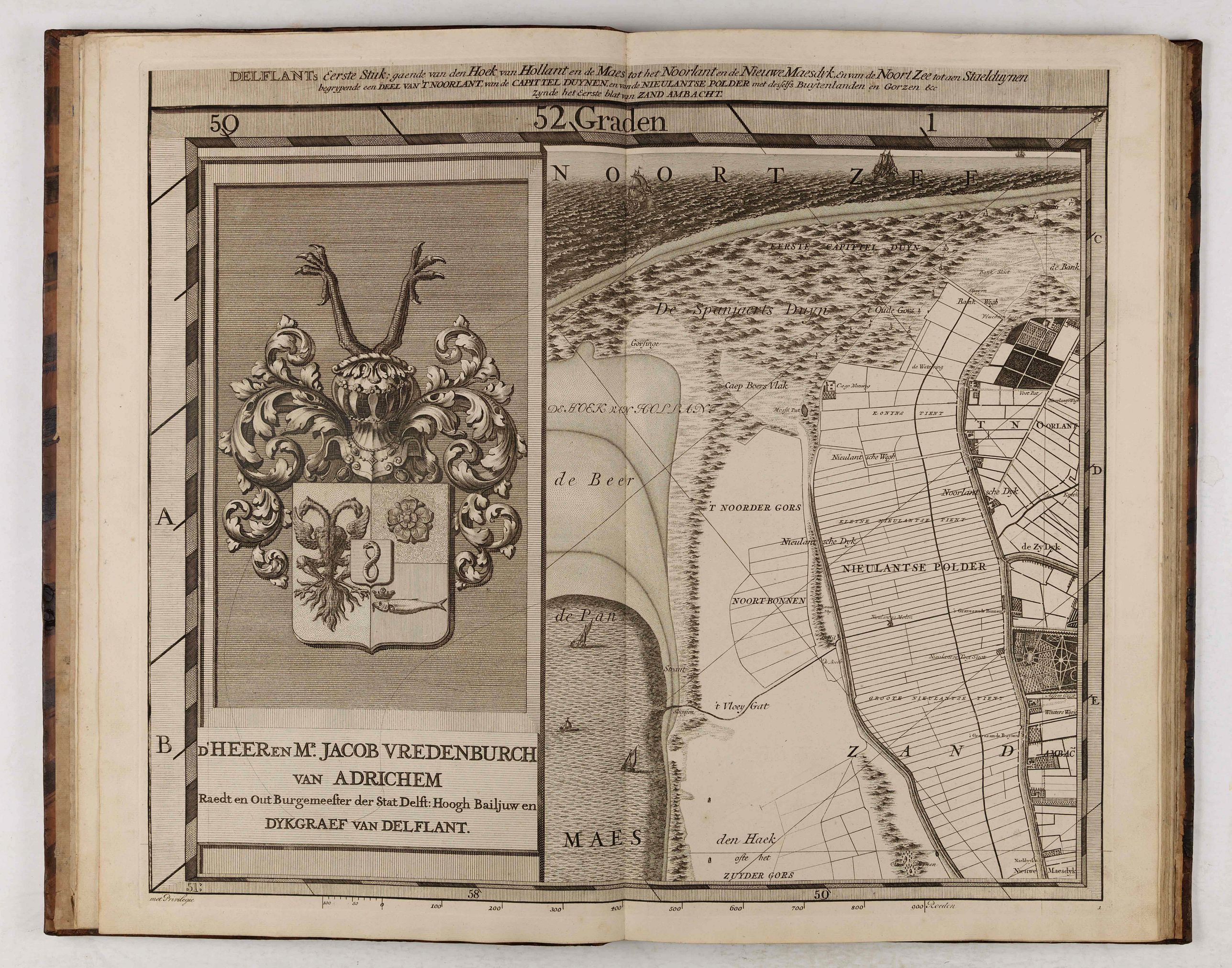
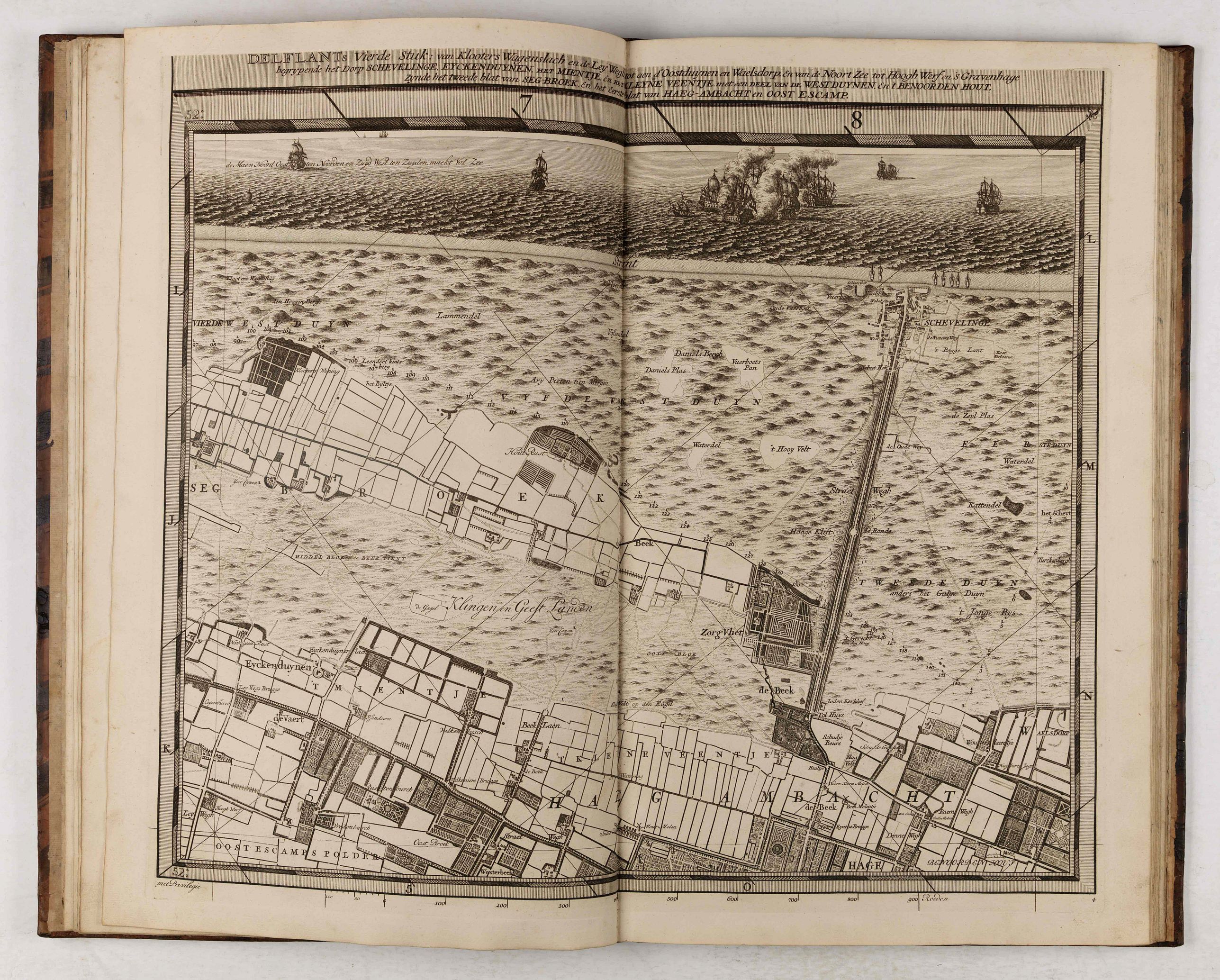
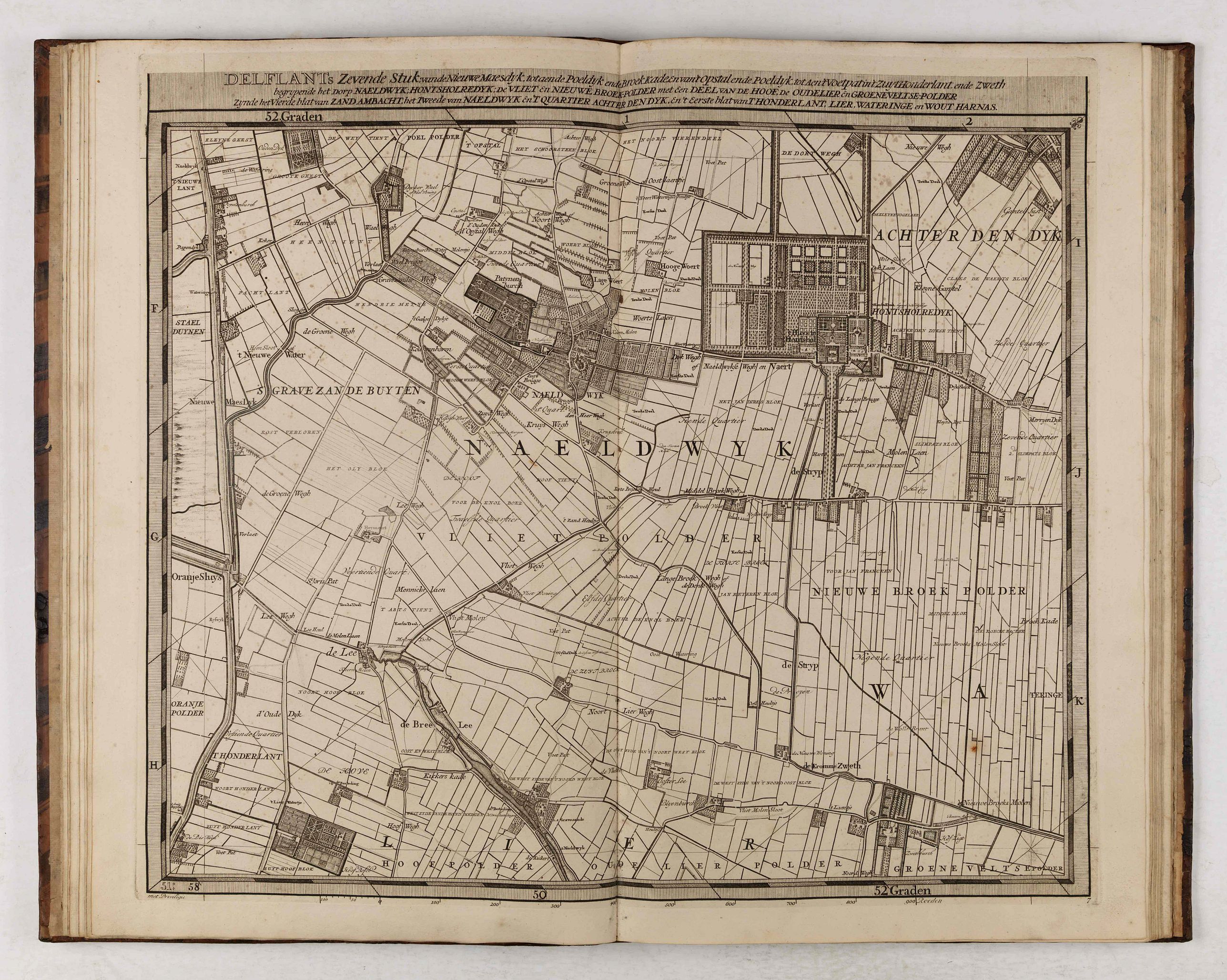
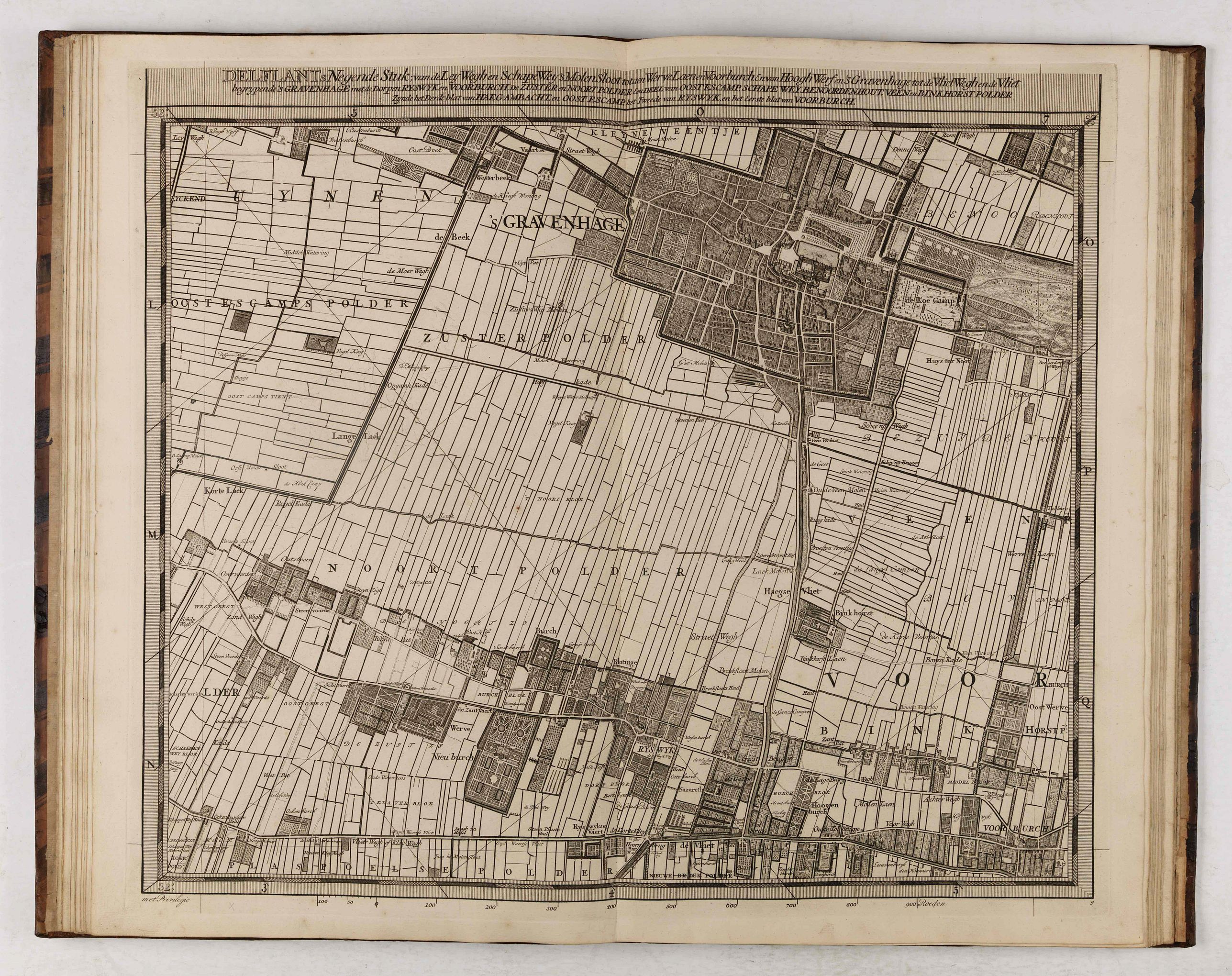
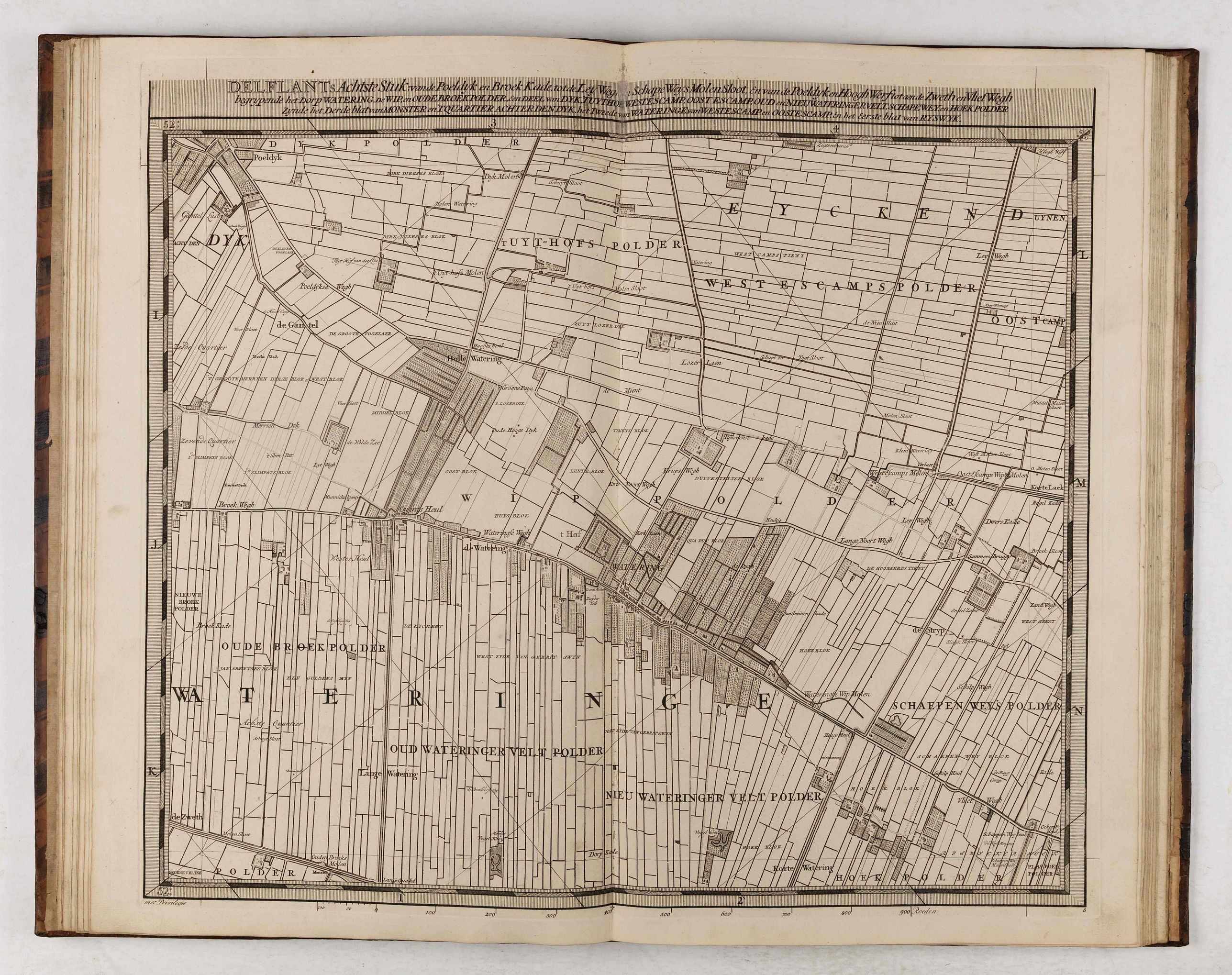
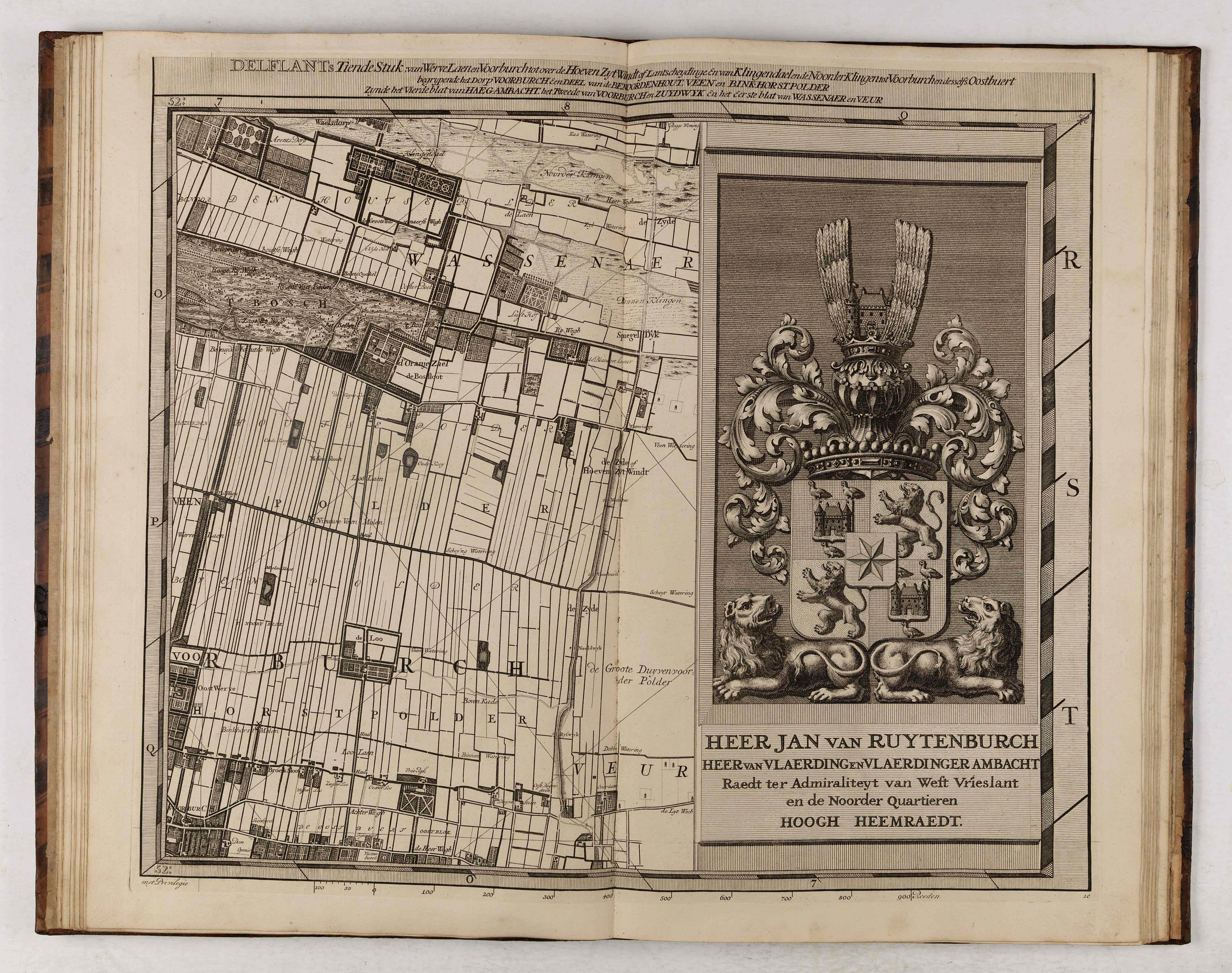
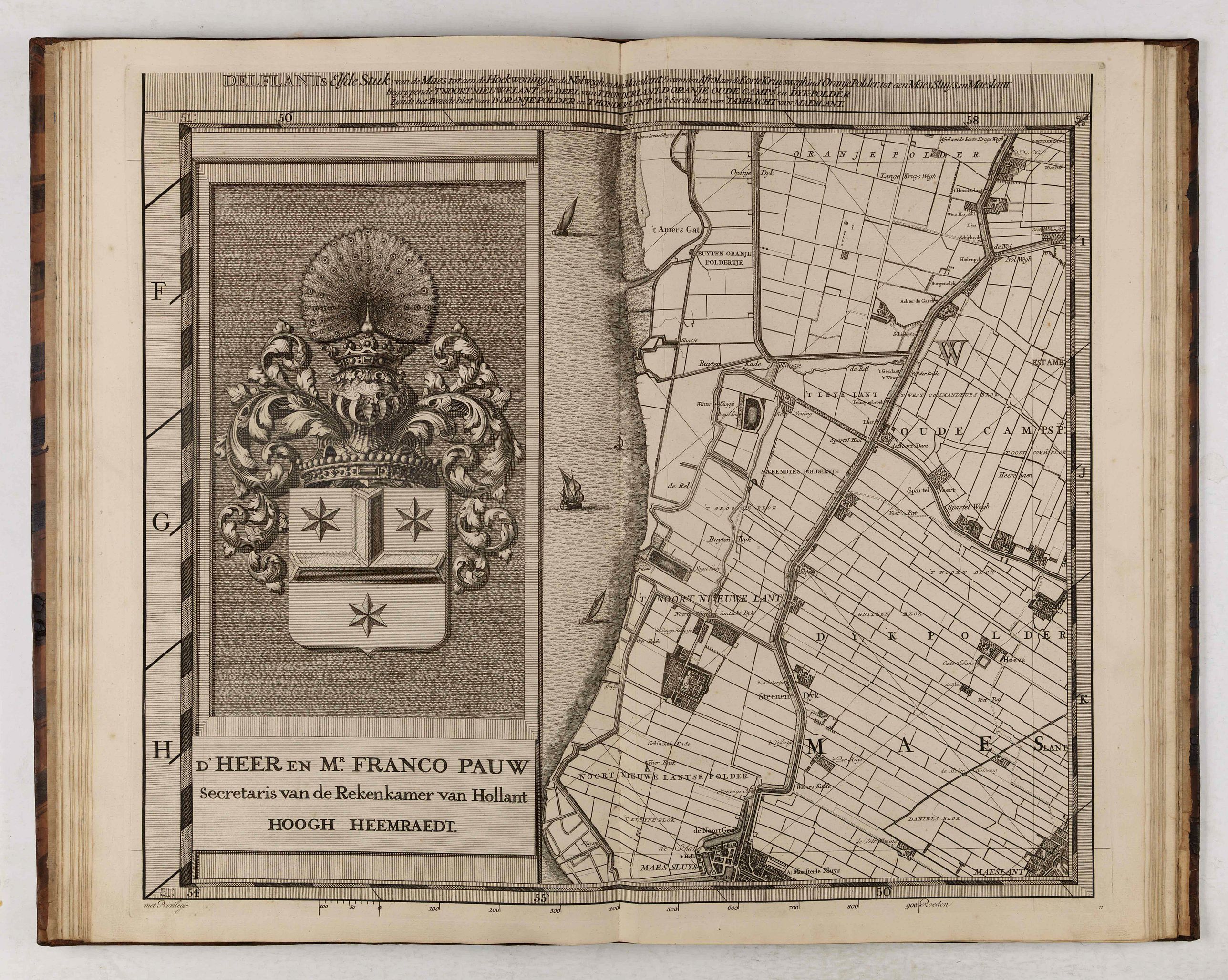
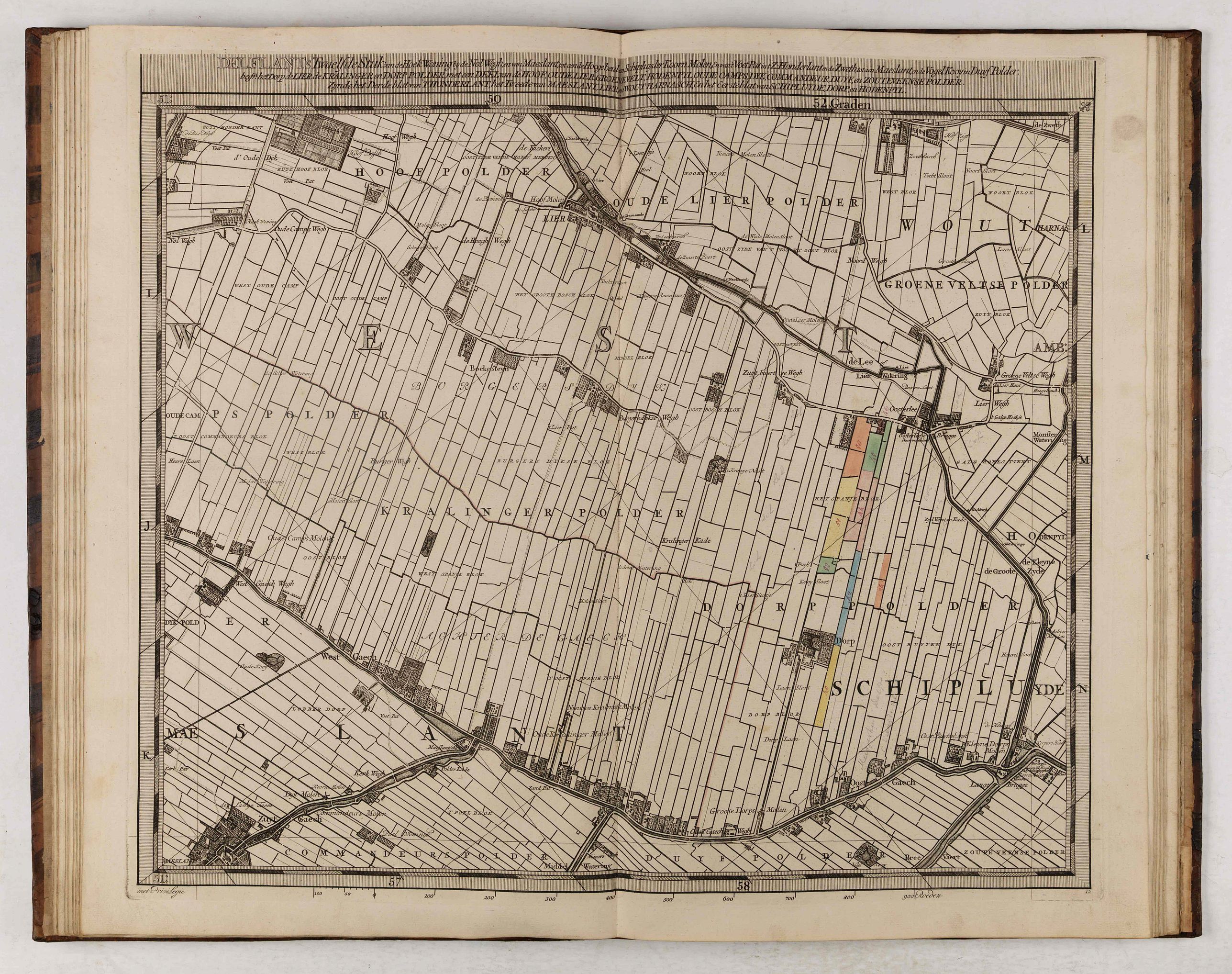
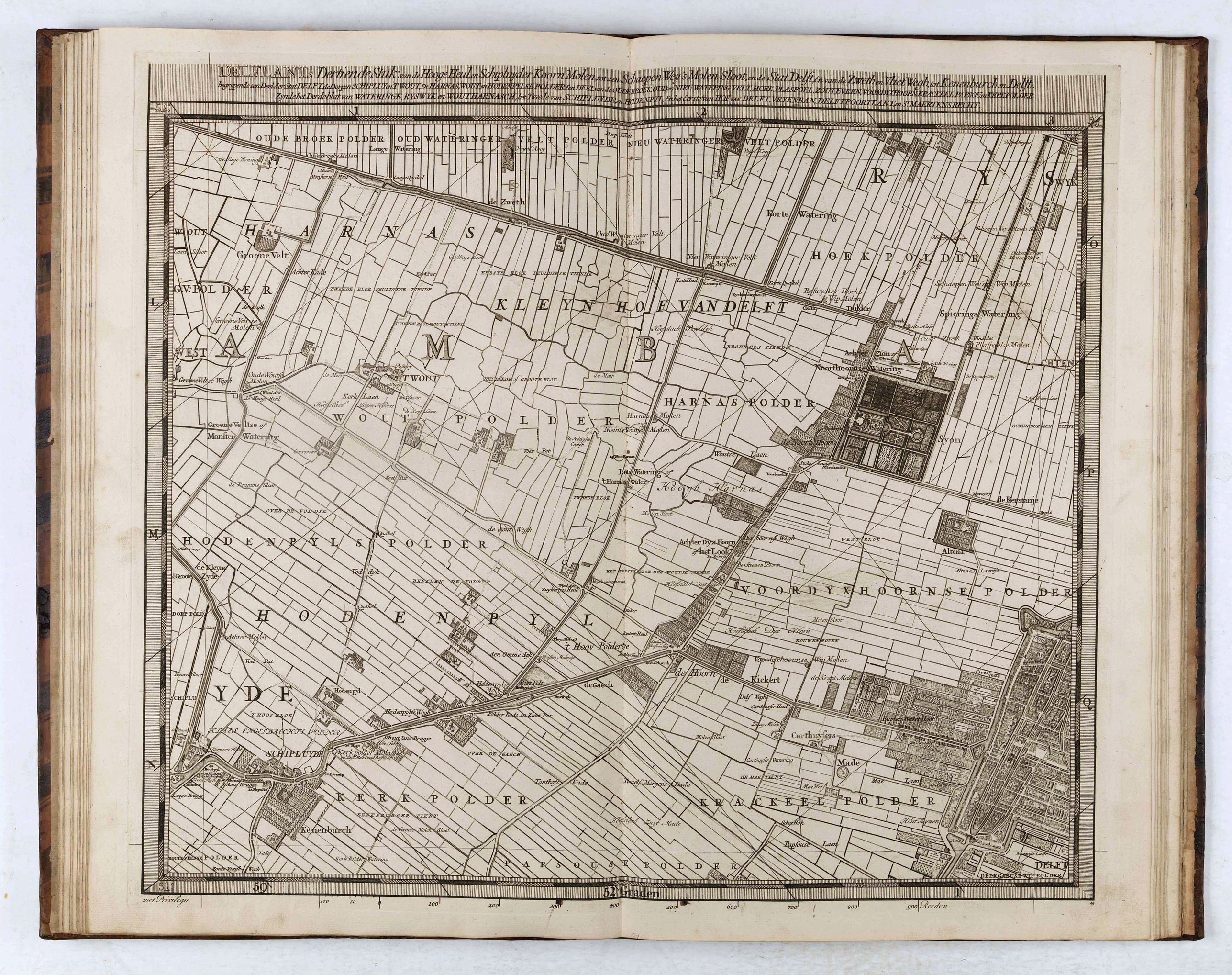
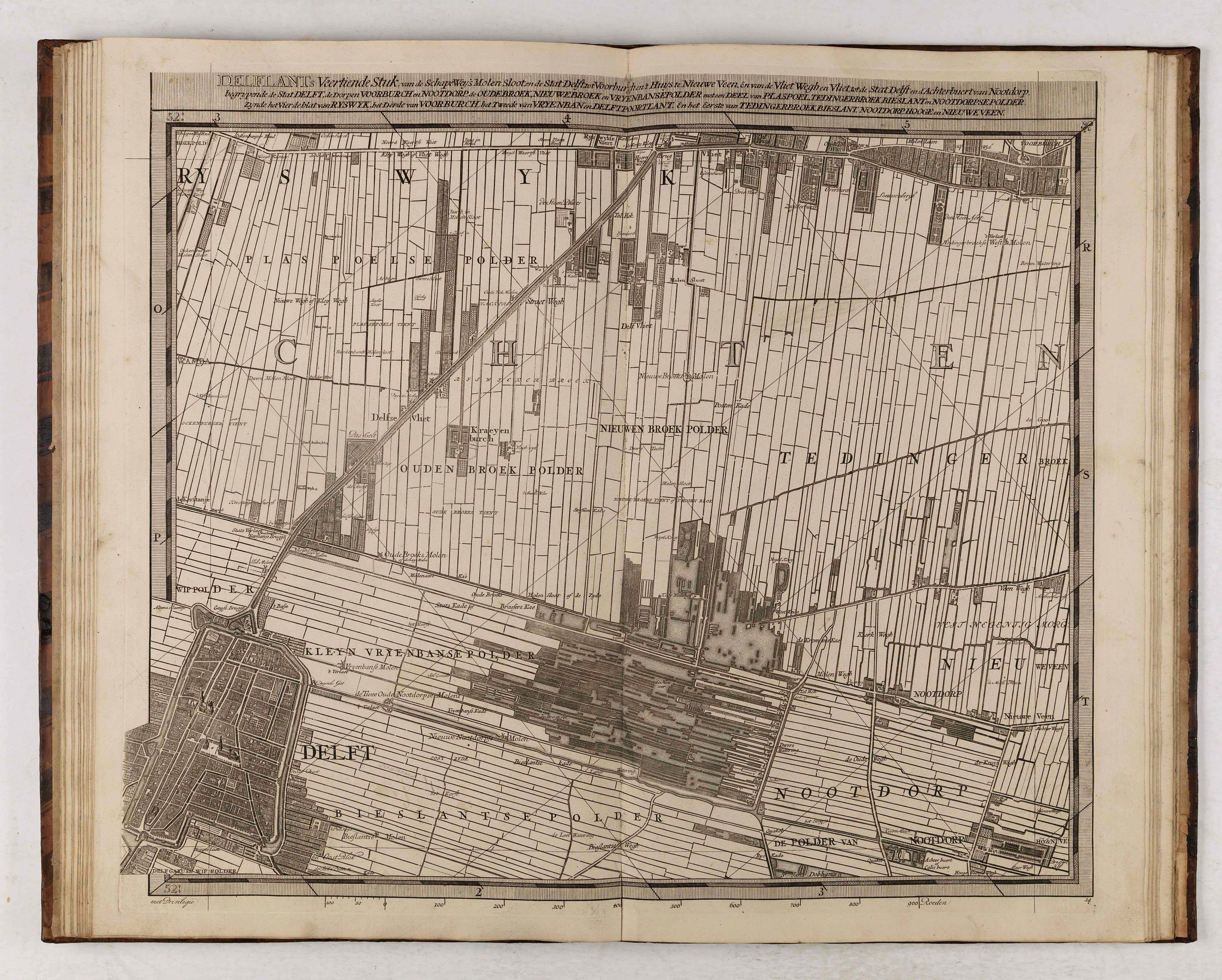
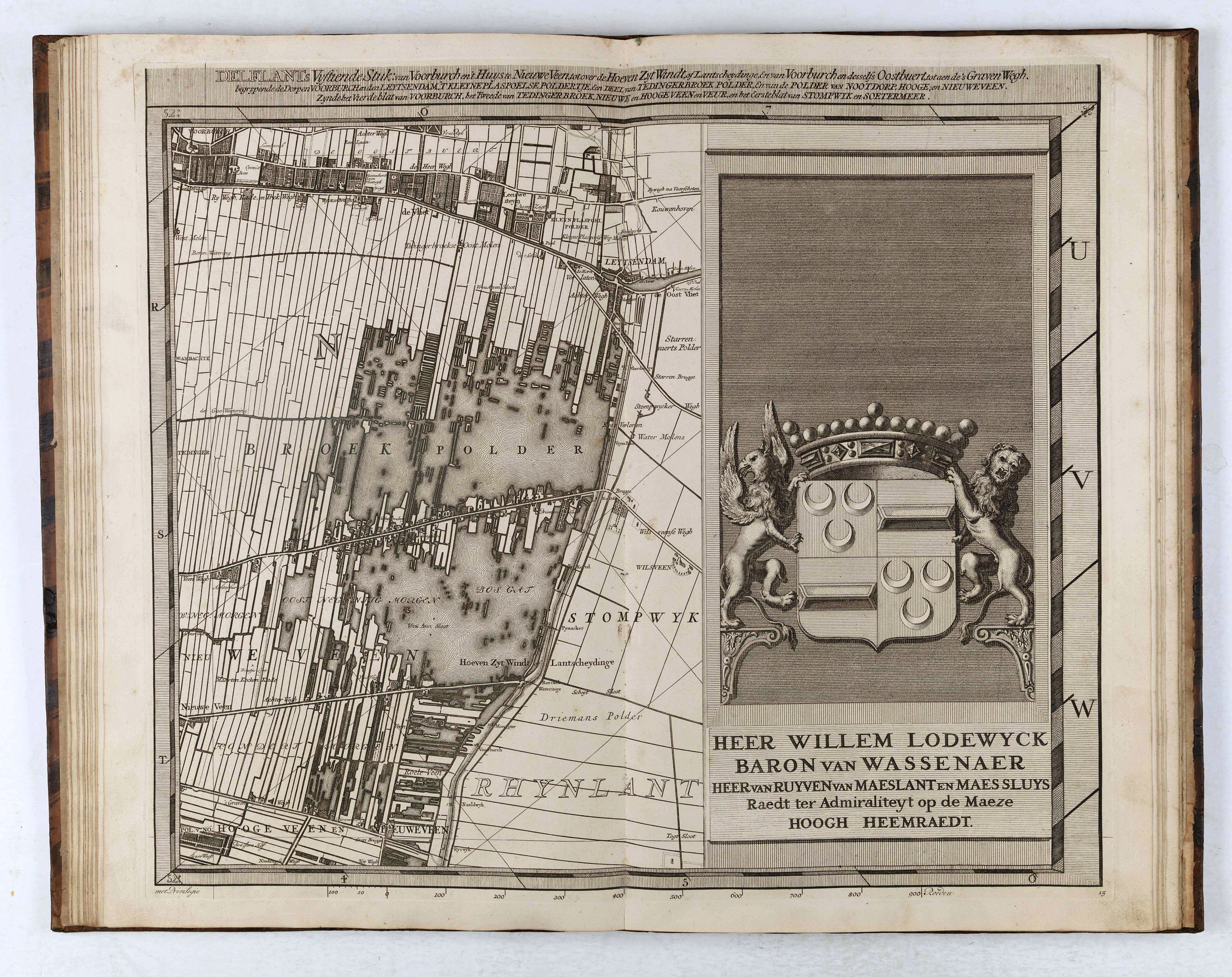
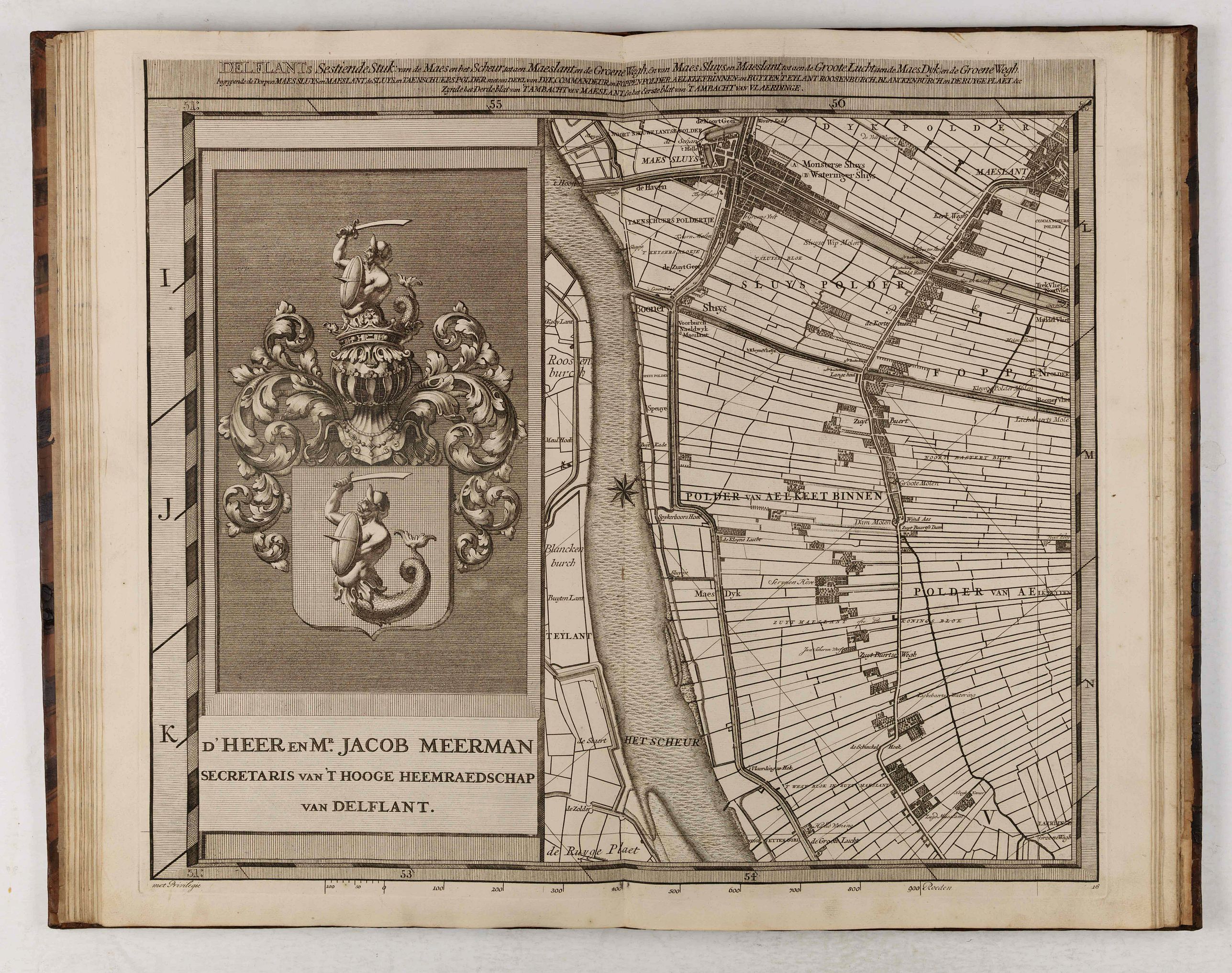
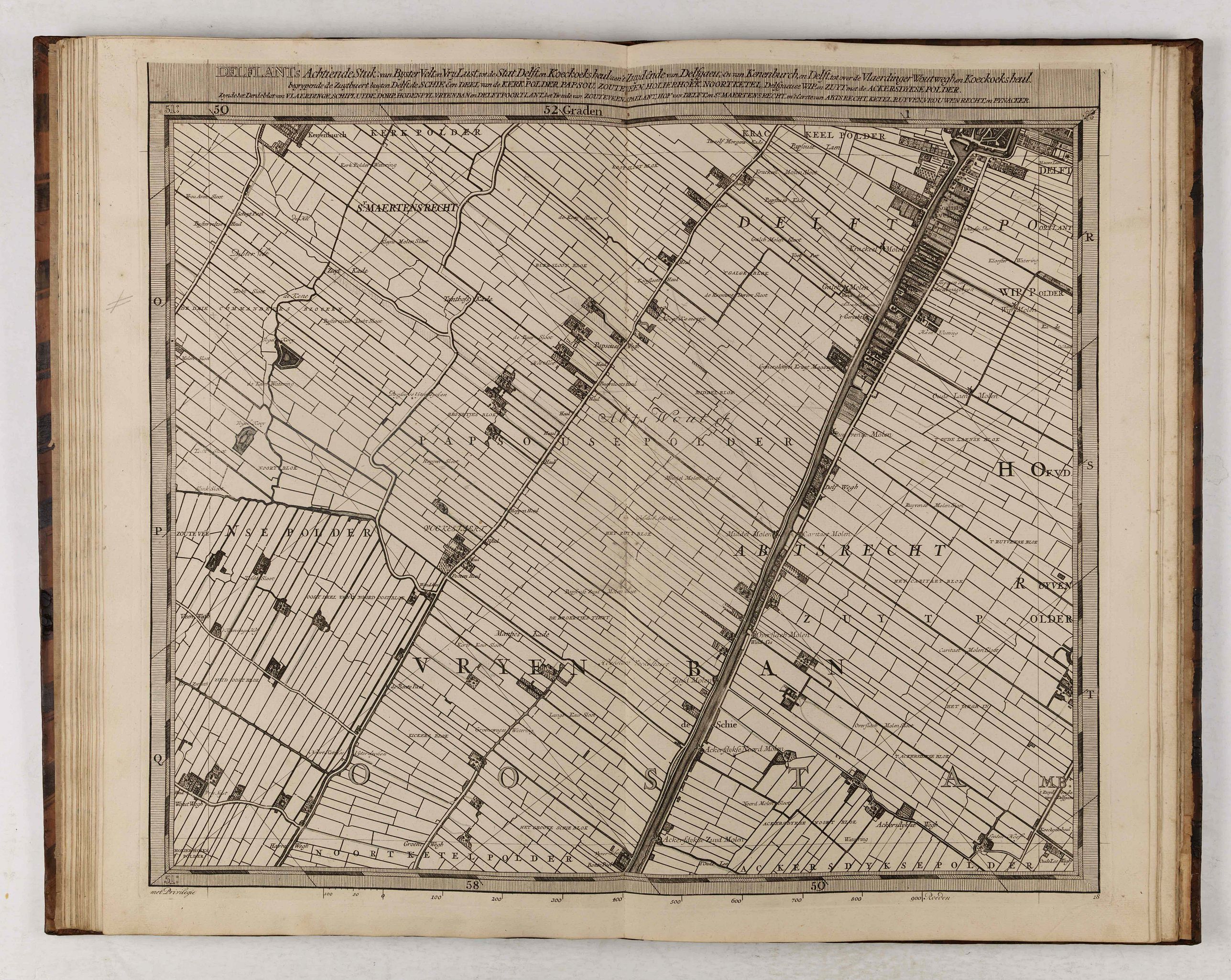
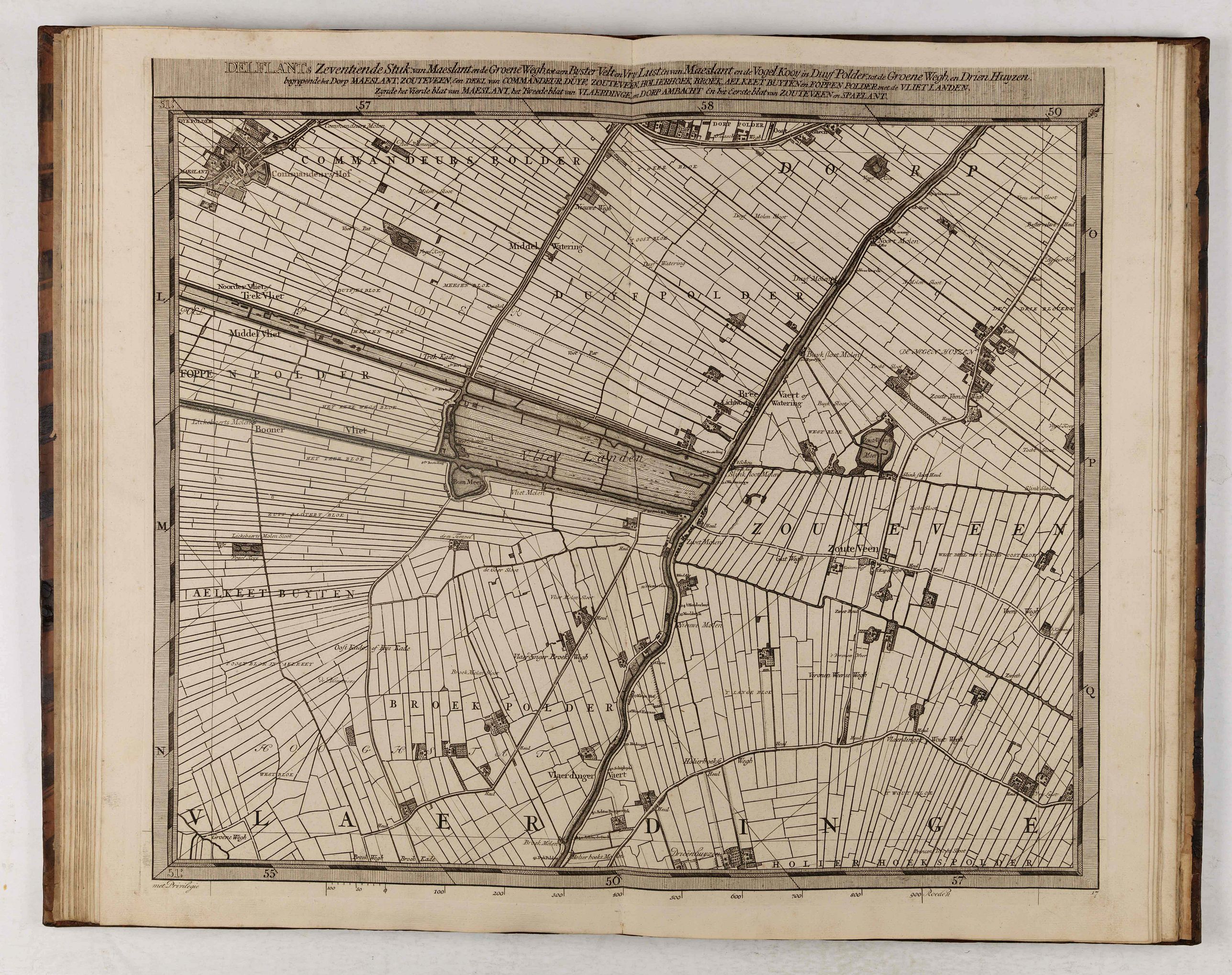
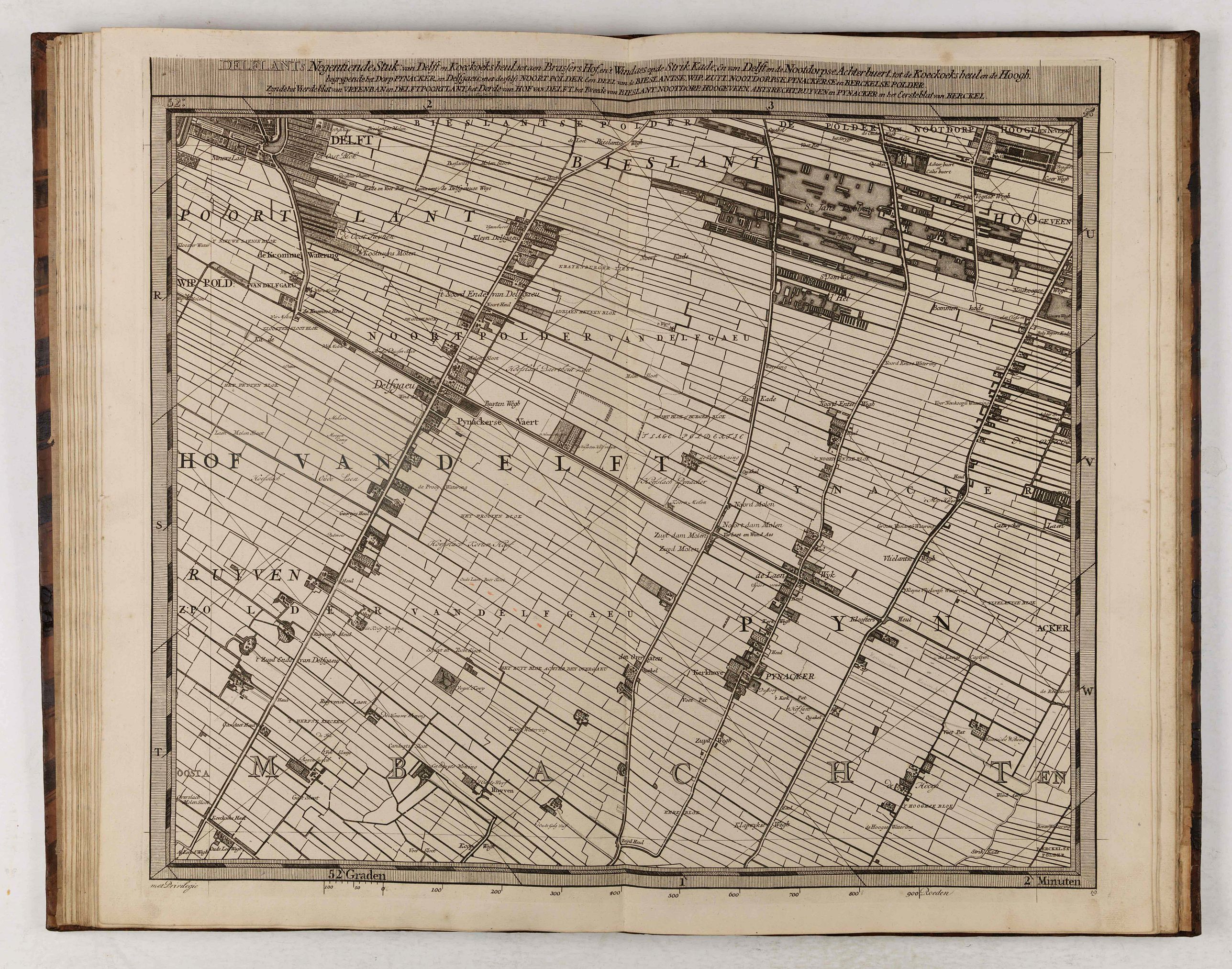
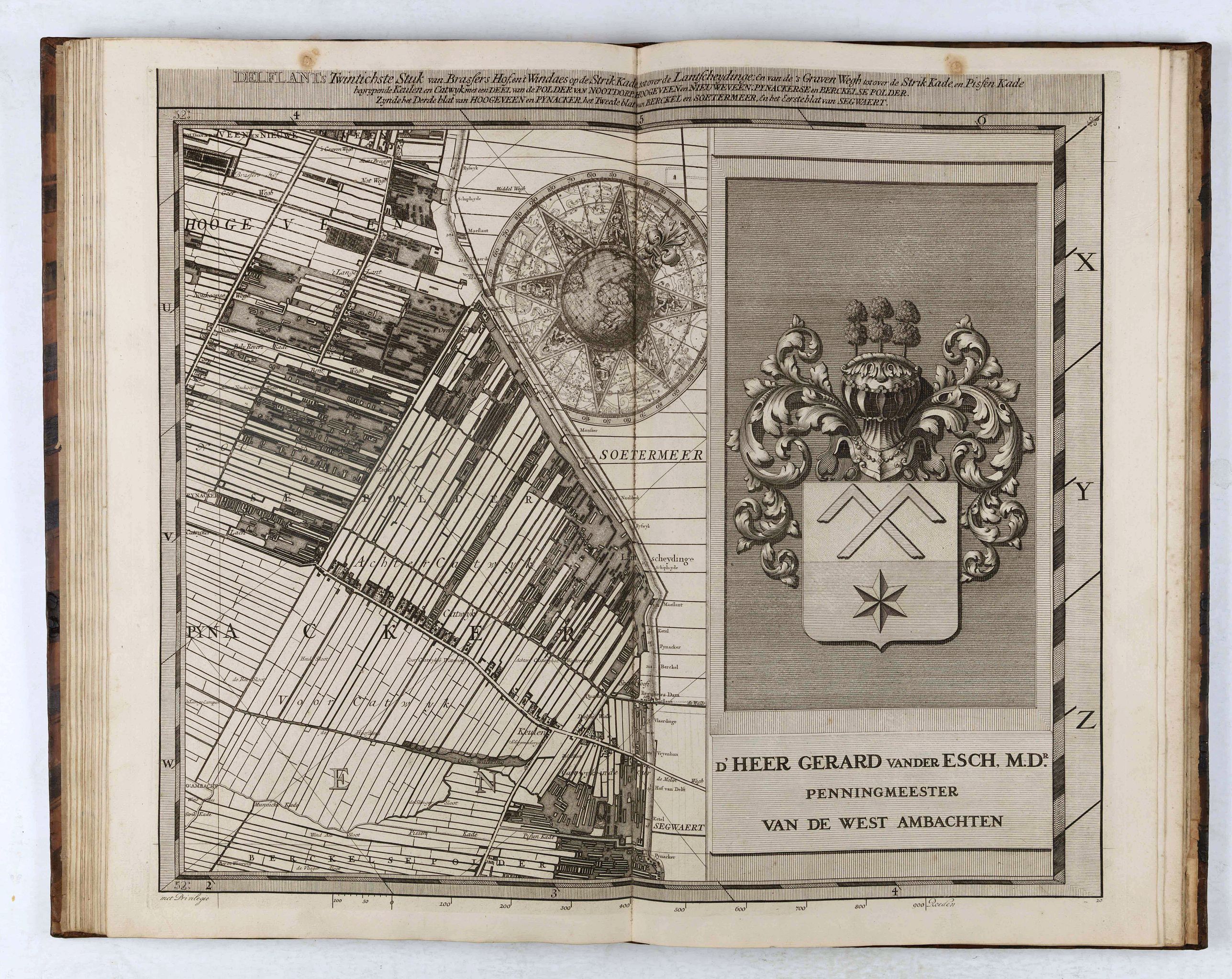
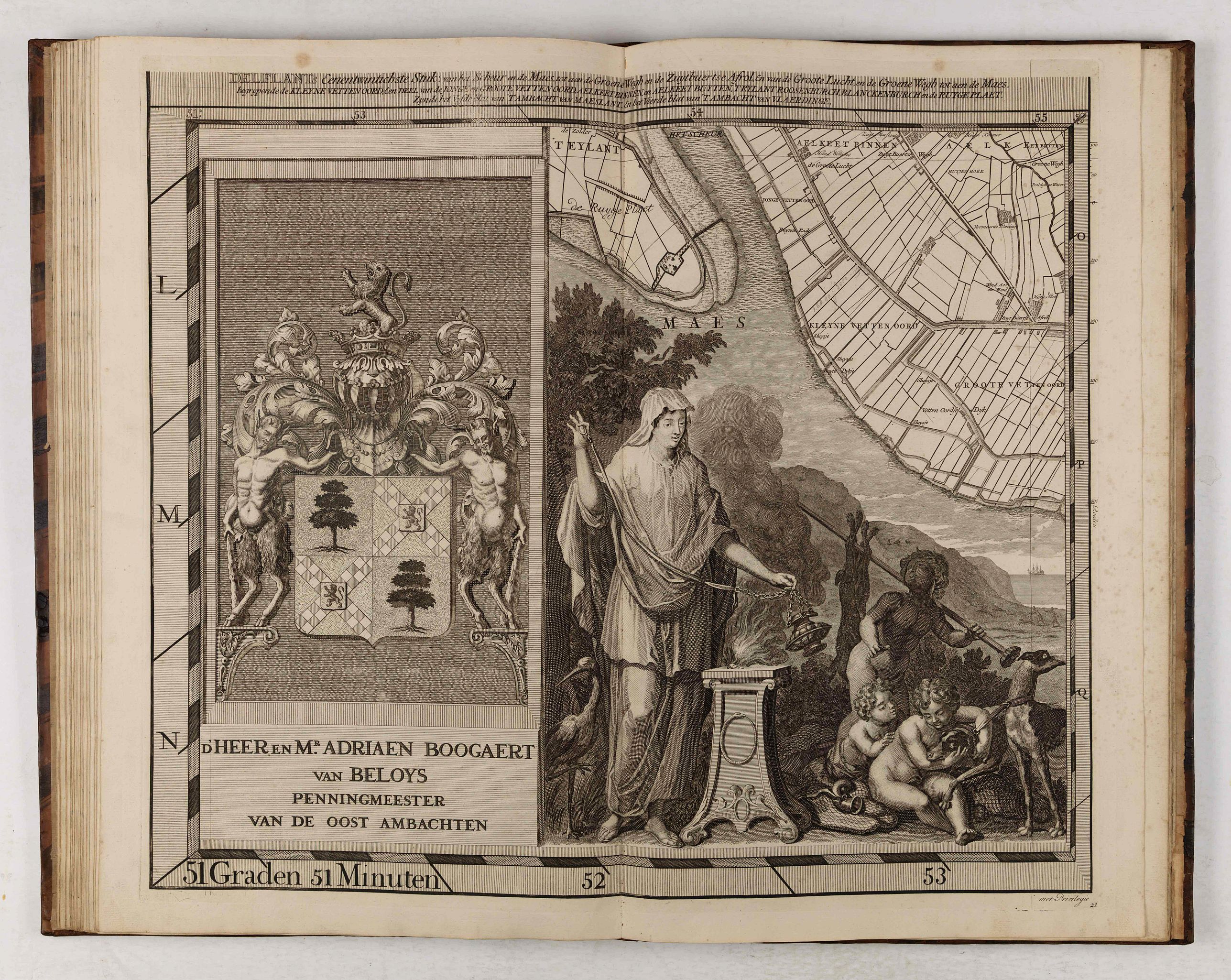
The so-called Cruquius map is a wall map of the Delfland water board district. It ranks among the outstanding water-board maps of the eighteenth century. Commissioned by the Hoogheemraadschap van Delfland, the brothers Nicolaas and Jacob Cruquius prepared it after an extensive survey conducted between 1701 and 1710. The resulting work combined exceptional topographical precision with the elaborate decorative treatment characteristic of the finest Dutch cartography.
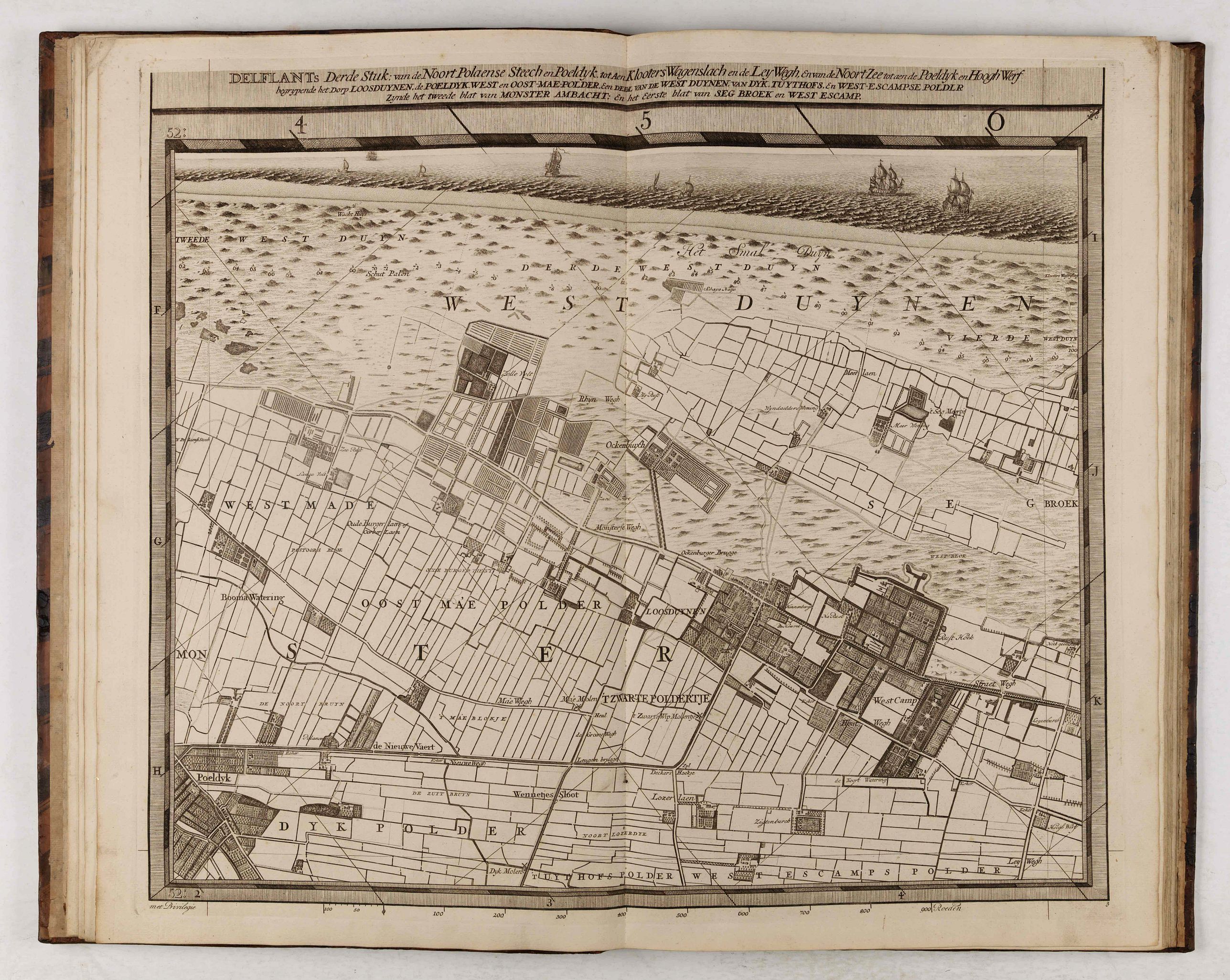
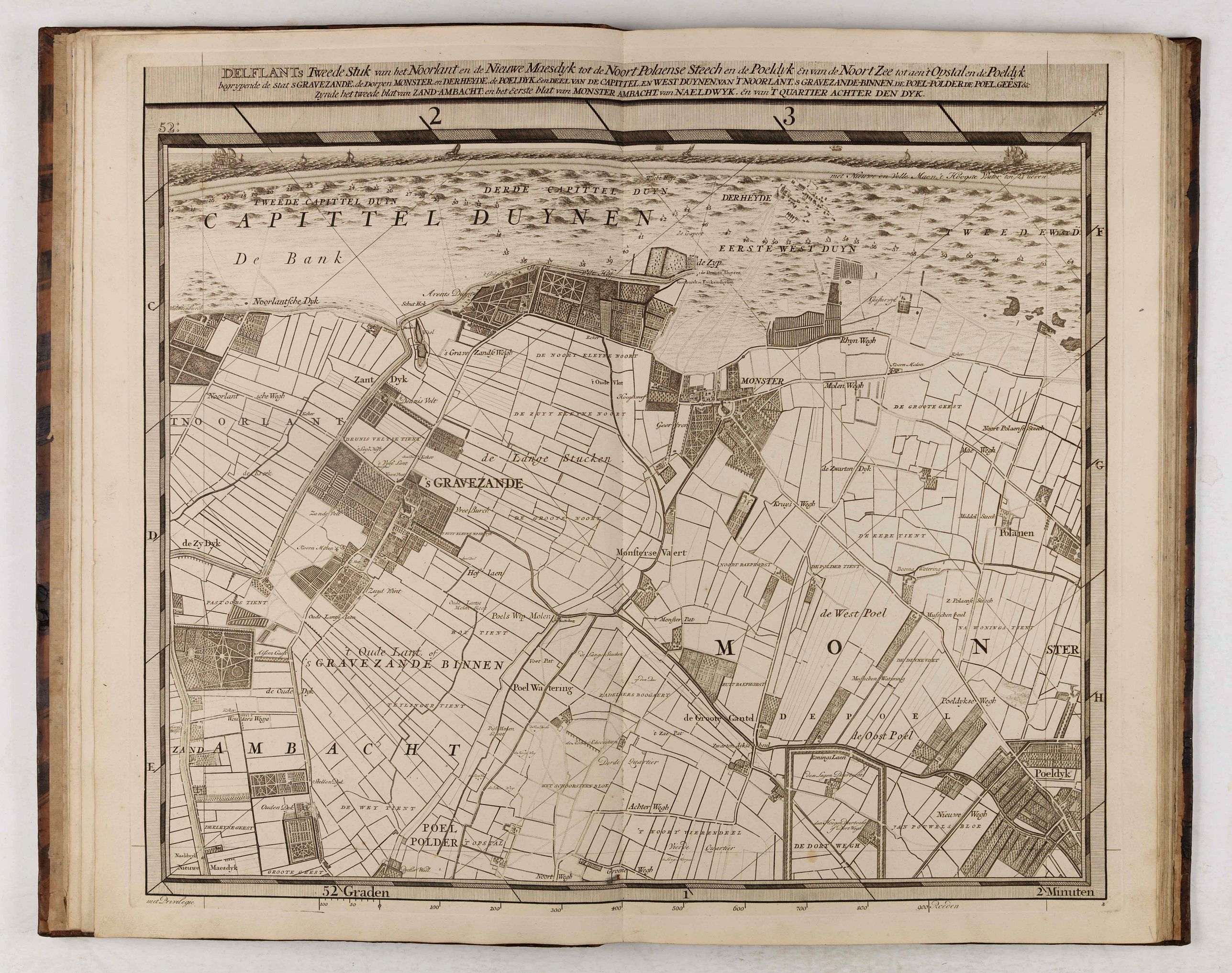
The map comprises 25 engraved sectional sheets that form a wall map measuring approximately 230 × 280 cm when assembled. Executed at the remarkably detailed 1:10,000 scale, it records the district with a thoroughness far beyond an ordinary regional map. Its importance does not lie merely in its impressive dimensions, but in the quality and density of the geographical information it preserves.
Extending across the Delfland landscape between the North Sea coast and the Maas, the map includes Delft, The Hague, Schiedam, Vlaardingen, Maassluis, and numerous surrounding villages. The map shows coastal dunes, settlements, and cultivated countryside within a detailed network of waterways and field boundaries. With north toward the upper right, the composition shows the North Sea along the upper edge and the Maas to the left.
The map meticulously delineates individual properties, farmsteads, orchards, gardens, roads, paths, canals, sluices, dykes, and drainage channels. This extraordinary level of detail makes the work an invaluable record of the early eighteenth-century landscape and the infrastructure used to manage land and water. Particularly striking is the thorough depiction of the ditches defining individual parcels: the map reveals not simply the region’s geography, but the structure of its agricultural landscape.
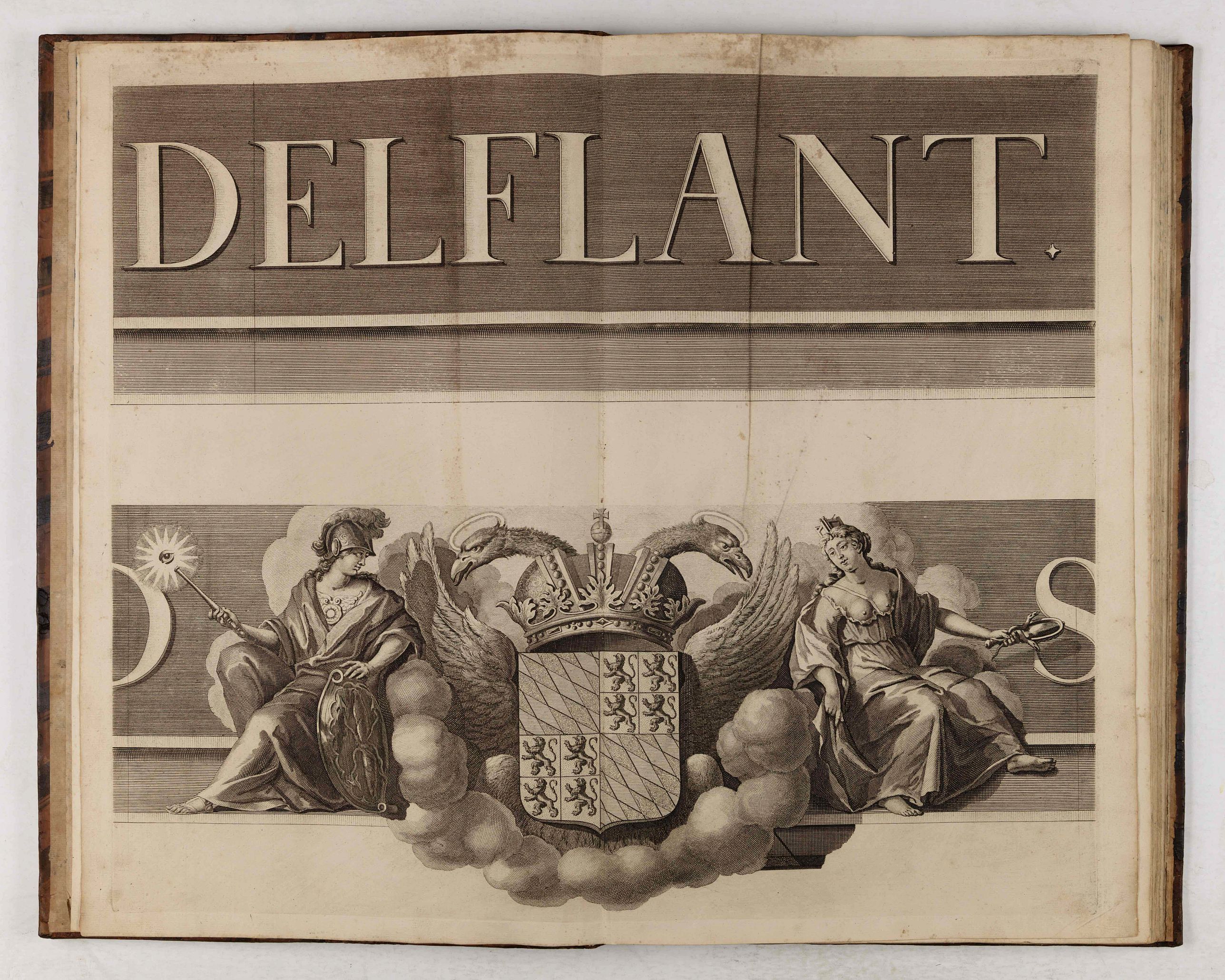
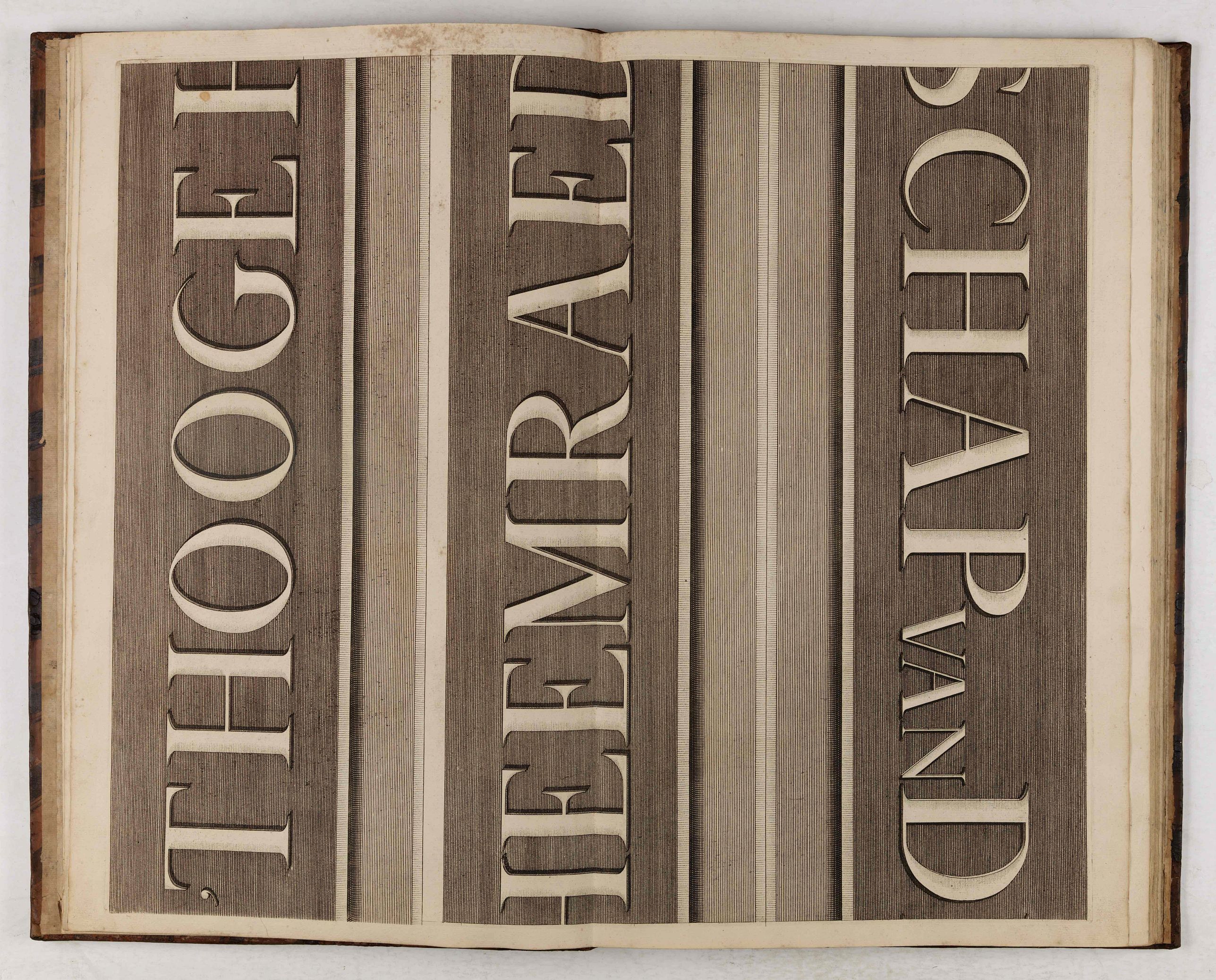
Rich heraldic and allegorical ornament complements the scientific content. Large armorial panels honor the water board’s officials, while scenes along the lower border evoke agriculture, fishing, and hunting. Pieter Haringh supplied the coat-of-arms designs, and Arnold Houbraken designed the remaining decoration, which Pieter Sluyter engraved. A team including Luggert van Anse, Thomas Doesburgh, Jacobus Deur, and Johannes Deur undertook the cartographic engraving. These embellishments give the map a ceremonial character as well as an administrative purpose.
Wall Maps
Wall maps were found in the interiors of wealthy businessmen. Wall maps occupied a prominent place in contemporary Dutch culture, serving as icons of affluence and intellectual curiosity.One of the leading lights of the era, Constantijn Huygens (1596-87), remarked how he employed his own set of Blaeu's wall maps of the continents as a tool to enlighten his children: "To encourage them even more, I had the four parts of the world by Willem Blaeu mounted in my entrance hall, where they often played, in order to provide them with a fixed image of the world and its division."
Willem Blaeu's wall maps are considered among the most influential and artistically virtuosic masterpieces of the great era of baroque cartography. His enterprise maintained close connections with intellectuals and political leaders across Europe, granting him privileged access to the most advanced geographical knowledge. Evidence of their fame may be their appearance in several of Johannes Vermeer's paintings.
A striking feature of the relatively small number of paintings that comprise the oeuvre of Johannes Vermeer is the prominent place accorded to maps and globes. Maps used as wall hangings in contemporary Dutch houses served purposes beyond providing cartographic information. Maps also expressed status, promoted a better understanding of history or politics, or replaced paintings. When Vermeer painted his works, Amsterdam was the world center of map-making. Among the most impressive works were Willem Blaeu's wall maps.
The pride-of-place wall maps in Dutch homes appear most clearly in a half-dozen or so of Vermeer's exquisite paintings, as well as in contemporary scenes such as Pieter de Hooch's A Woman Drinking with Two Men (1658) in the National Gallery. These views of everyday life bear witness to an almost totemic cult of maps.
Soon, libraries and the offices of the wealthy and nobility across Europe had wall maps. Wall maps also hung in many places in America in the eighteenth century, for instance, in the Governor's Palace in Williamsburg, Virginia.
By the nineteenth century, Americans used wall maps throughout the Country. They hung in government offices, public meeting places, schools and in some homes. Early on in the century, wall maps showed the expanding country, with its natural features and political divisions, roads, canals and then railroads. Because these maps were designed for practical use and their large format made detailed study easier, map makers updated them regularly to keep them as current and accurate as possible.
FAQ - Guarantee - Shipping
This item is available for immediate purchase when a "Add to Cart" or "Inquire Now" button is shown.
Items are sold in the EU margin scheme
Payments are accepted in Euros or US Dollars.
Authenticity Guarantee
 We provide professional descriptions, condition report (based on 45 years experience in the map business)
Paulus Swaen warrants the authenticity of our items and a certificate of authenticity is provided for each acquired lot.
Condition and Coloring
We indicate the condition of each item and use our unnique HiBCoR grading system in which four key items determine a map's value: Historical Importance, Beauty, Condition/Coloring and Rarity.
Color Key
We offer many maps in their original black and white condition. We do not systematically color-up maps to make them more sellable to the general public or buyer.
Copper engraved or wood block maps are always hand colored. Maps were initially colored for aesthetic reasons and to improve readability. Nowadays, it is becoming a challenge to find maps in their original colors and are therefor more valuable.
We use the following color keys in our catalog:
Original colors; mean that the colors have been applied around the time the map was issued.
Original o/l colors; means the map has only the borders colored at the time of publication.
Colored; If the colors are applied recently or at the end of the 20th century.
Read more about coloring of maps [+]
Shipping fee
A flat shipping fee of $ 30 is added to each shipment by DHL within Europe and North America. This covers : International Priority shipping, Packing and Insurance (up to the invoice amount).
Shipments to Asia are $ 40 and rest of the world $50
We charge only one shipping fee when you have been successful on multiple items or when you want to combine gallery and auction purchases.
Read more about invoicing and shipping
FAQ
Please have a look for more information about buying in the BuyNow gallery
Many answers are likely to find in the general help section.
My Collection+

With My Collection+ you can collect all your favorite items in one place. It is free, and anyone can create his or her virtual collection.
Unless you are logged in, the item is only saved for this session. You have to be registed and logged-in if you want to save this item permanently to My Collection+. Read More[+]
Register here, it is free and you do not need a credit card.
Add this item to My Collection+ or click the following link to see My Collection+.
|
Digital Image Download Paulus Swaen maintains an archive of most of our high-resolution rare maps, prints, posters and medieval manuscript scans. We make them freely available for download and study. Read more about free image download |
Click the image for a free small image download. |
YOUR RIGHT TO CANCEL THE PURCHASE OF A LOT
In accordance with the EU Consumer Rights Directive and habitually reside in the European Union you have the right to cancel the contract for the purchase of a lot, without giving any reason.
The cancellation period will expire 14 calendar days from the day after the date on which you or a third party (other than the carrier and indicated by you) acquires, physical possession of the lot. To exercise the right to cancel you must inform Paulus Swaen Inc, of your decision to cancel this contract by a clear statement (e.g. a letter sent by post, or e-mail.
To meet the cancellation deadline, it is sufficient for you to send your communication concerning your exercise of the right to cancel before the cancellation period has expired.
