1633 GALLE, Th. - Composite atlas of the Low Countries.
Composite atlas of the Low Countries. |
||||||||||||||||||||
|
||||||||||||||||||||
|
|
||||||||||||||||||||
$100000 / ≈ €89185
This item is available for immediate sale
|
My Collection +
Add this or any of your favorite items in one place. If you want to save the items permanently, you have to sign in or create an account first.   Add/Remove
 |
|||||||||||||||||||



Description
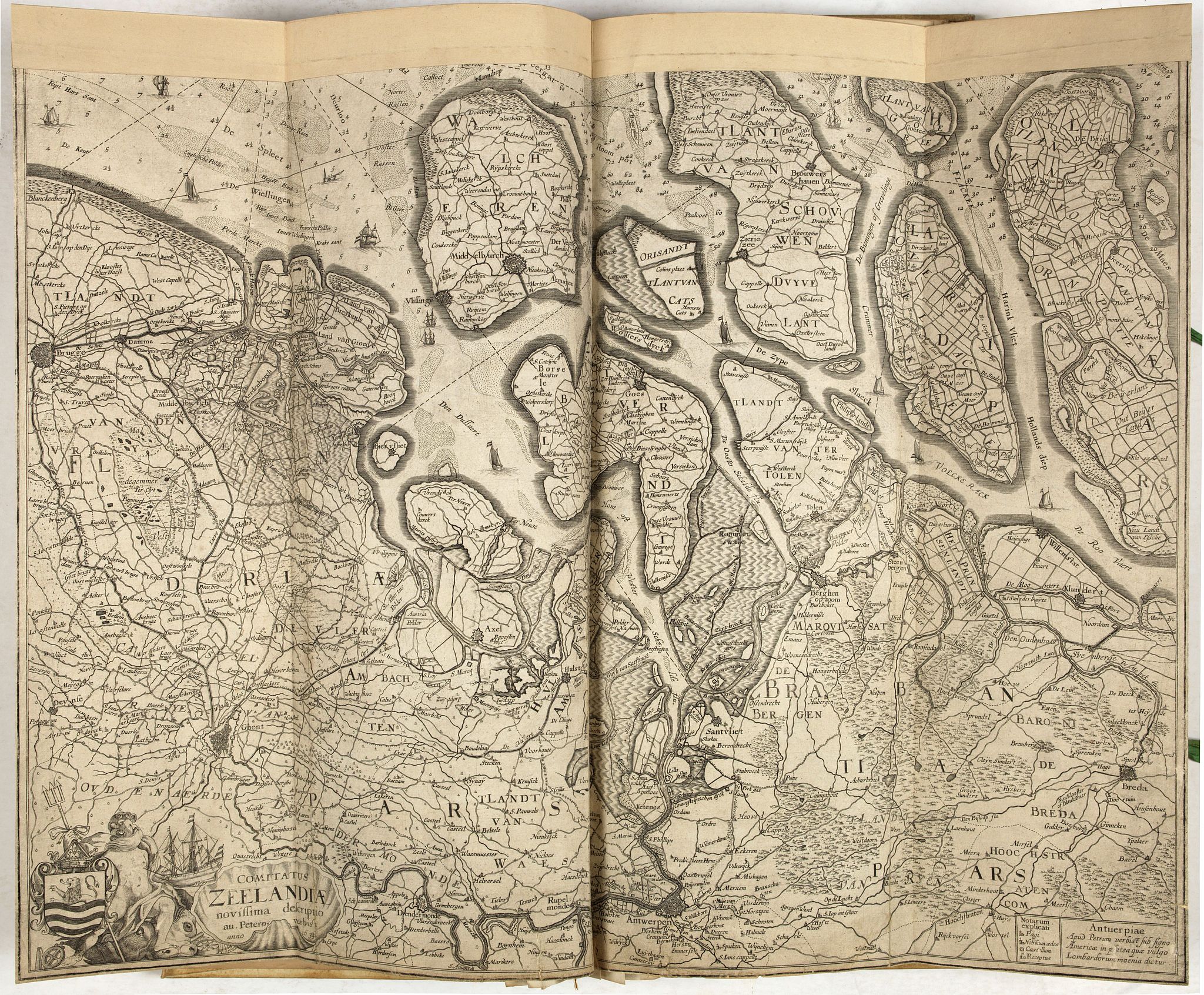
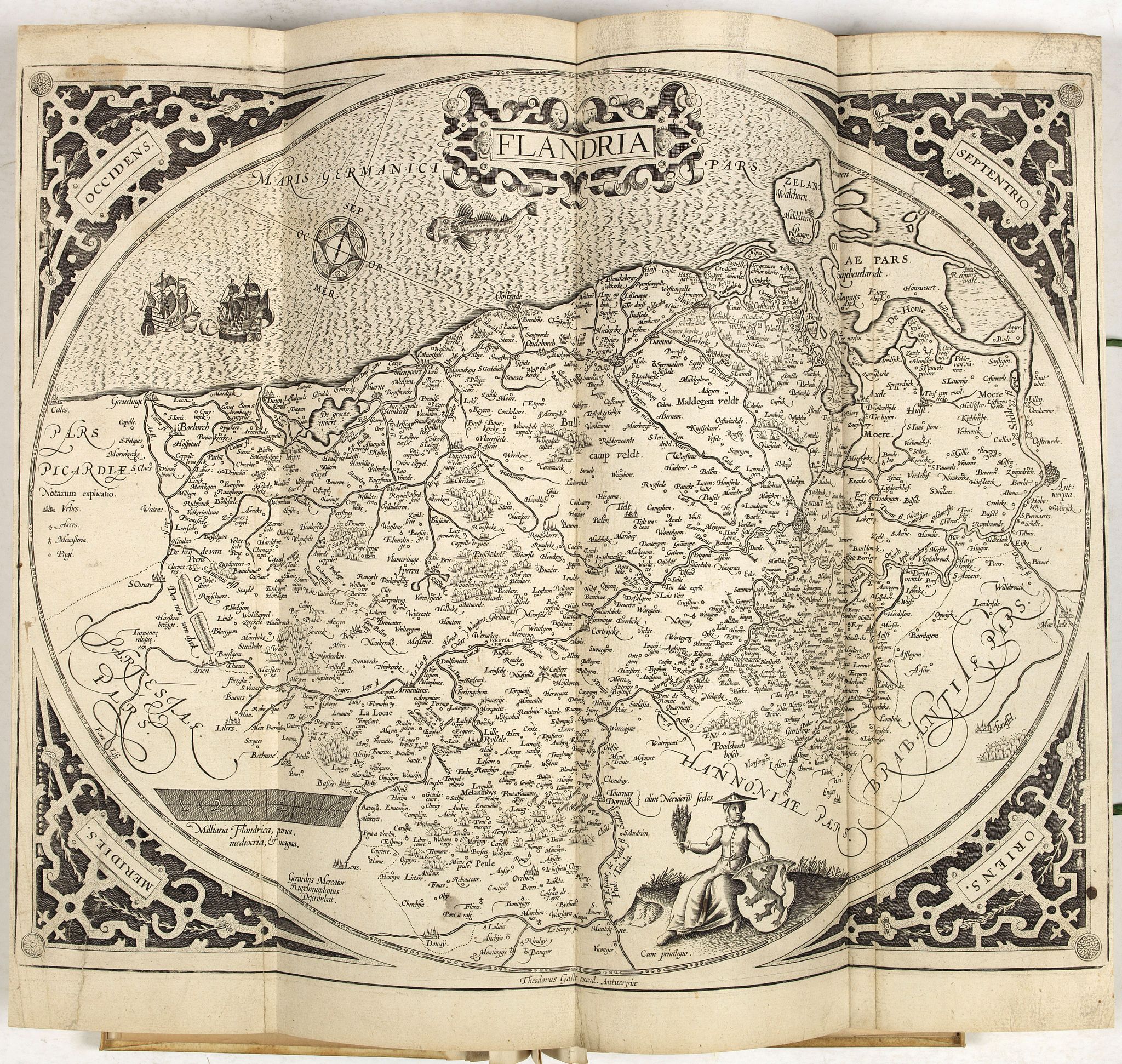
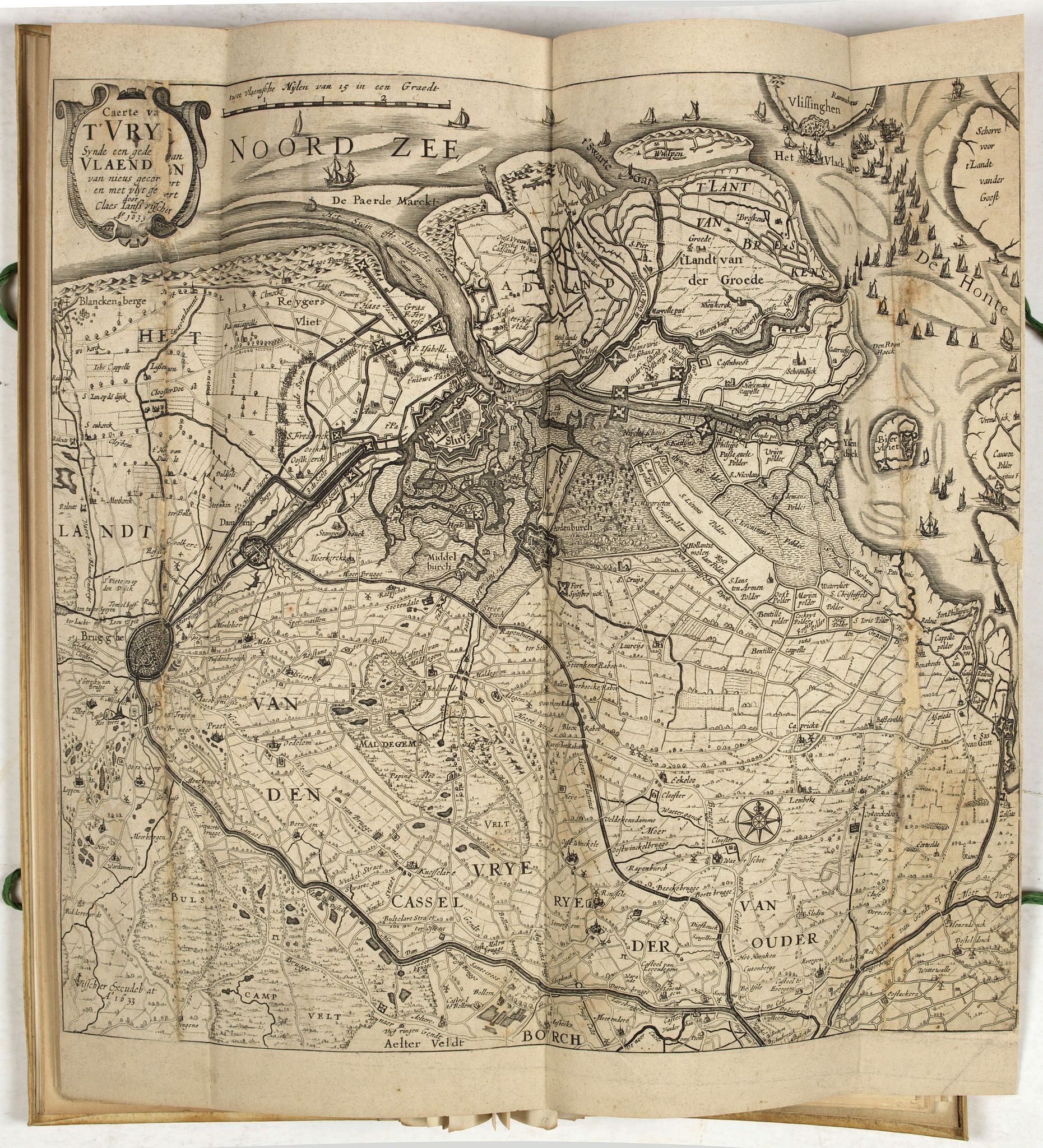
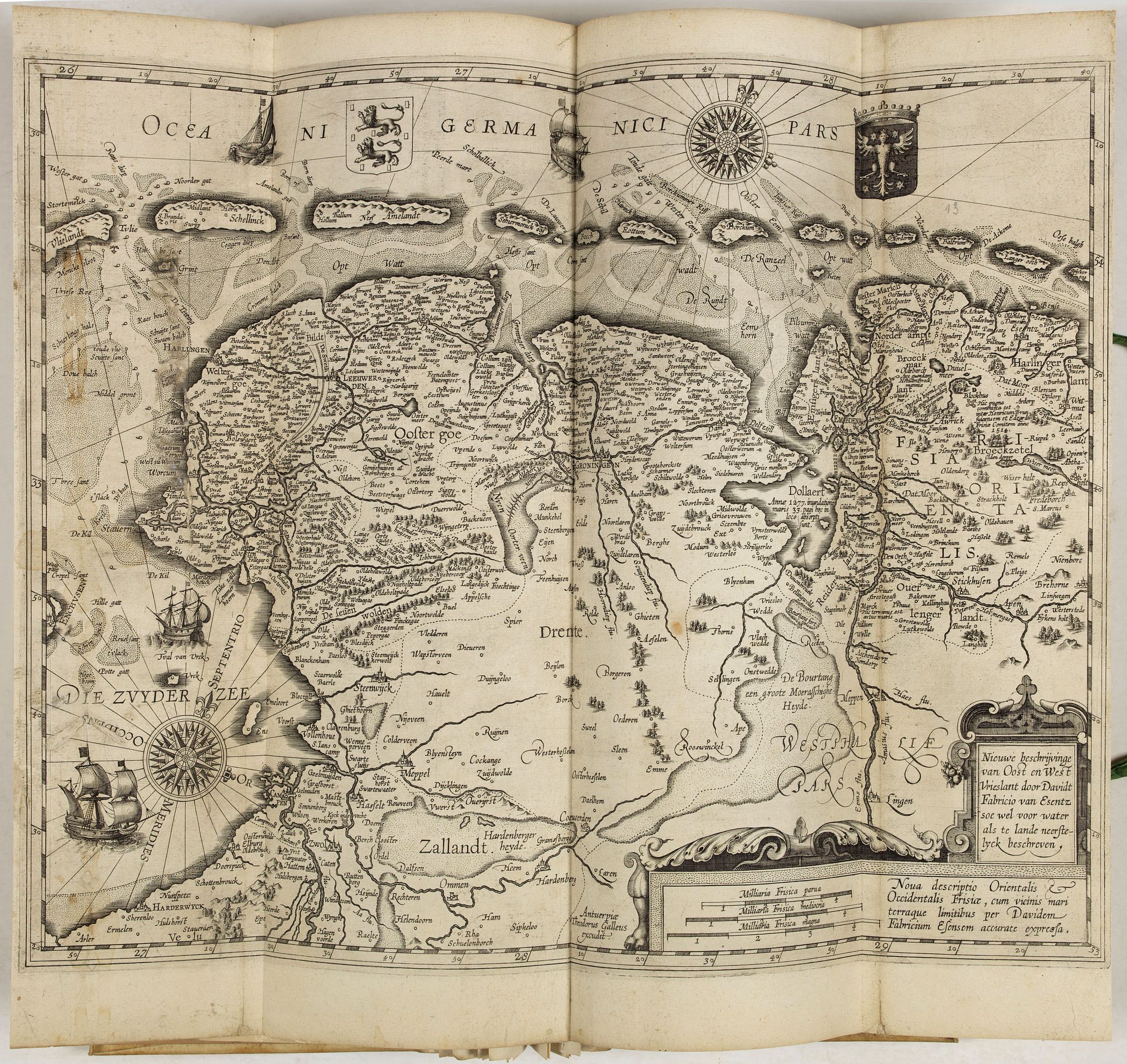
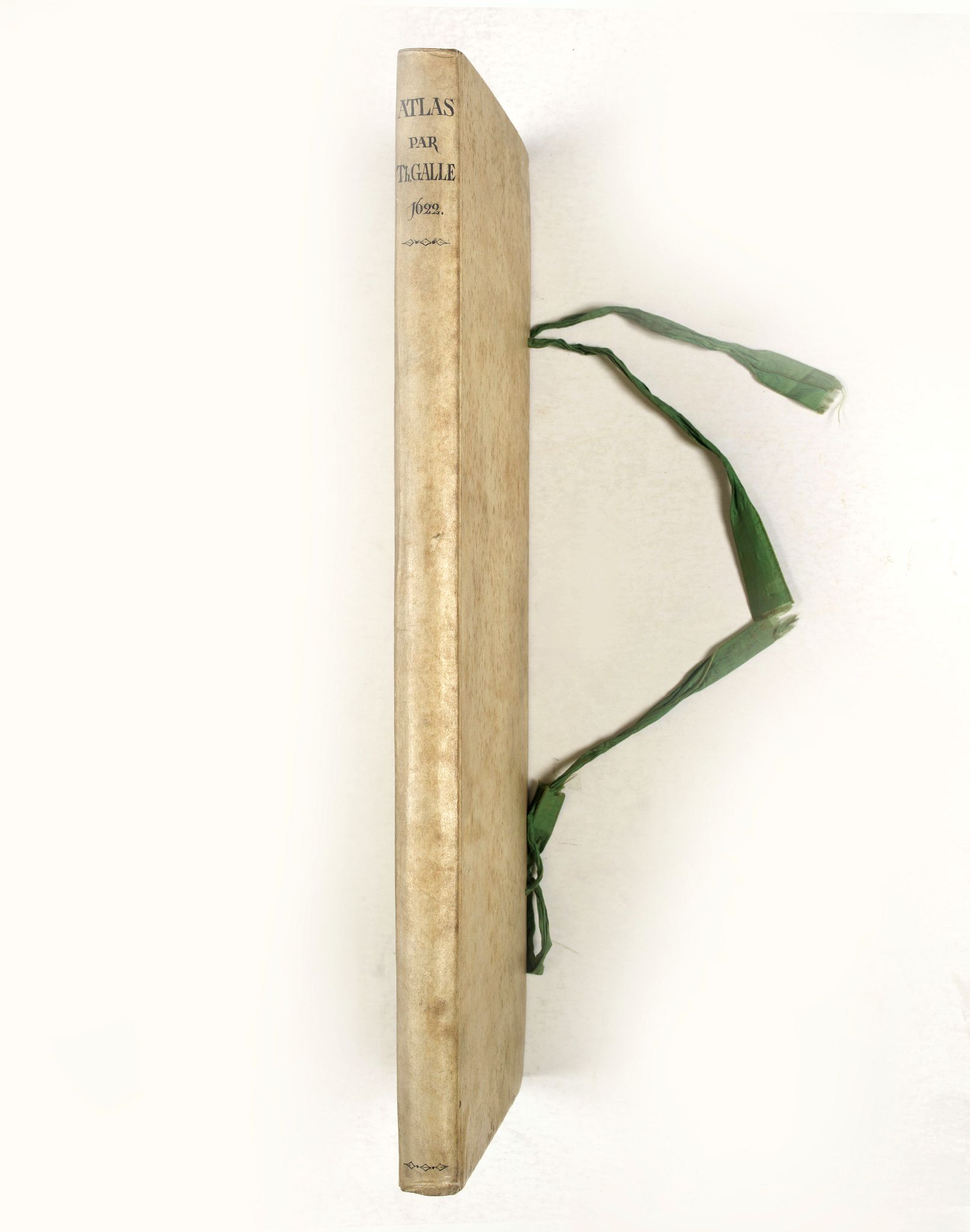
>A unique, made-to-order atlas comprising 18 double-page engraved maps by or after Hessel Gerritsz, Theodoor Galle, Jacob van Deventer, Gerard Mercator, Peter Verbiest, Jean Surhon, Claes Janszoon Visscher, Jan Baptist Vrients, David Fabritius, Christiaan 's Grooten, Gerard de Jode and Abraham Ortelius, several dated between 1603 and 1633.
Provenance : Sotheby's London, 20 October 1988, lot 146.
Genesis of the AtlasIn 1612, Theodoor Galle started planning to publish loose-leaf folio sheets of the Netherlands and neighboring regions (Gallia, Germania, Palatinata) with the possibility for the buyer to compile them into an atlas of the Netherlands.
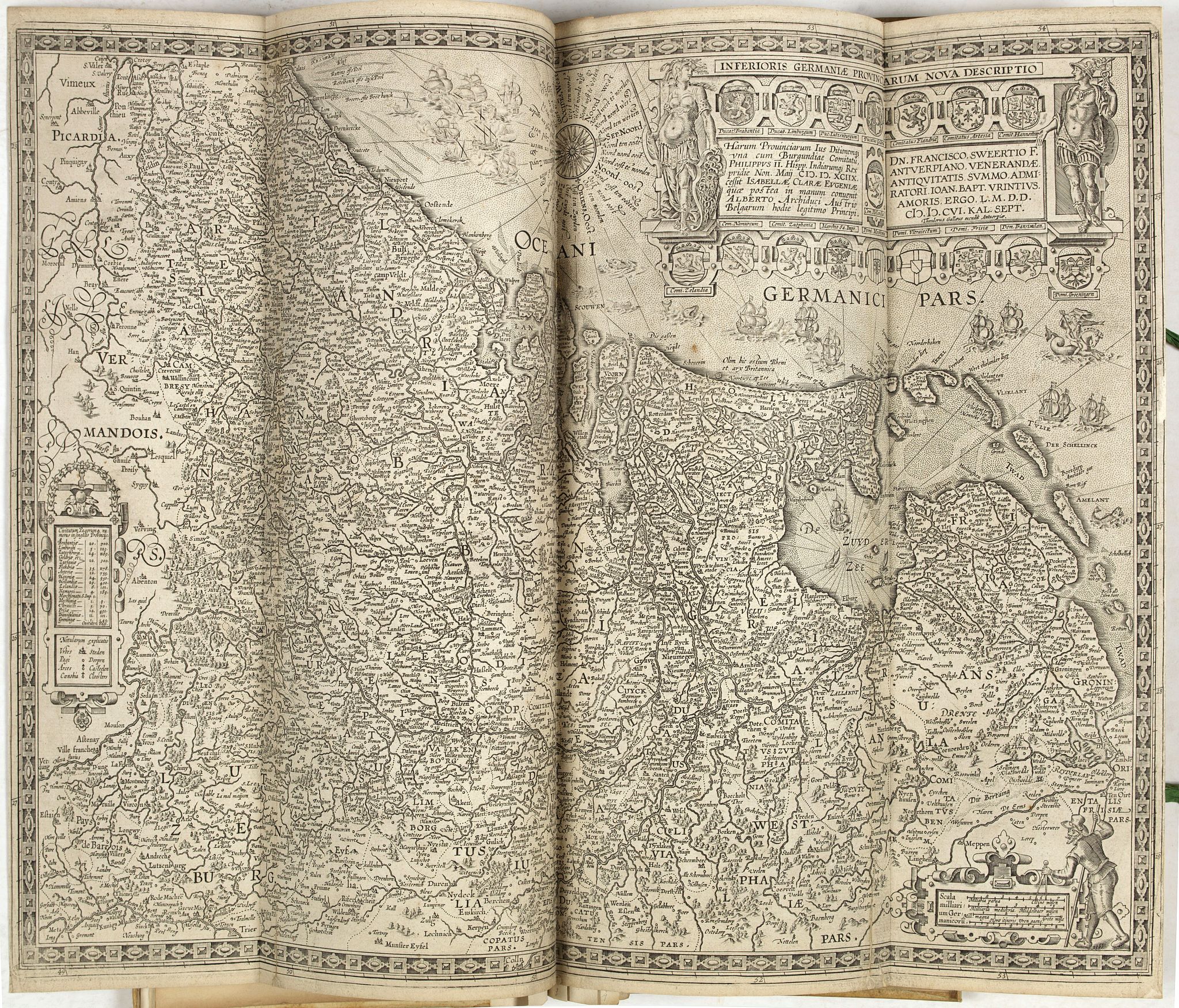
Galle first published a map of Central Netherlands in two sheets, using the copperplates of the wall map of the Seventeen Provinces of 1605, which the “Officina Plantiniana” purchased after Vrients's death in 1612.
Galle also had the copper plates of Ortelius’s Theatrum and those of De Jode’s Speculum; the “Officina Plantiniana” acquired both sets after Vrients's death in 1612.
In the 1620s, Theodoor Galle added his name to 10 maps of the Ortelius-acquired copper plates. So far, only two Ortelius atlases of the 25 atlases printed by Galle in 1641 have been located.
This atlas must have been compiled after 1633 as the map (10) by Claes Janszoon Visscher: "Caerte van T'Vrye synde been gedeelte van Vlaendren....", is dated 1633. The map was published separately around this date without text on the verso. The map, with text on the verso, was also included in the atlas "Belgicum sive Germania Inferior", by N.J. Picator (Visscher) of 1634.
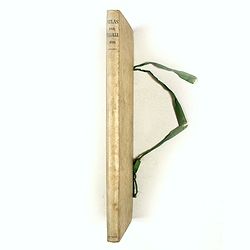
The compiler arranged the atlas in a slim and tall format (445 by 185mm), with each map double-folded to fit inside the tome. This very rare and unusual format was likely designed to make the atlas more compact and more accessible to carry.
The atlas was restored in the middle of the last century and before it was sold at Sotheby's London, 20 October 1988, lot 146.
The maps were laid on paper, bound in a vellum binding, and lettered on the spine in bown ink; "Atlas par Th. Galle 1622".
The atlas is likely compiled between 1633 and 1635. The title on the spine is in French and was likely copied from the original binding.
In 1635, France allied with the Dutch against Spain, bringing the French into the "Thirty Years' War."
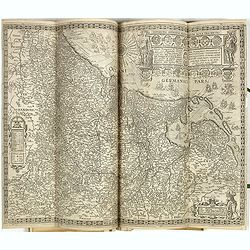
The atlas contains maps of the Low Countries and is extended with maps of Flanders and the German regions of Westphalia and Münster.
With the Thirty Years War outbreak in 1635, the compiler's interest was focused on the regions of battle, Low Countries, Germany, and France, explaining why this content of maps of the Low Countries is expended with a map of France, German regions, Flanders and the Leo Belgiucus map.
The Thirty Years' War:
France avoided direct participation in the Thirty Years' War until May 1635, when it declared war on Spain and the Holy Roman Empire and entered the conflict as an ally of the Dutch Republic and of Sweden. After the peace treaty of Westphalia in 1648, the war continued between Spain and France. France made some gains in Flanders and along the north-eastern end of the Pyrenees, but by 1658 both sides were financially exhausted, which led them to make peace in November 1659.
Theodoor Galle (1571-1633)
was the son of the Antwerp engraver, publisher and friend of Ortelius, Filips Galle, from whom he learned the art of engraving.
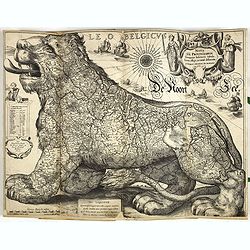
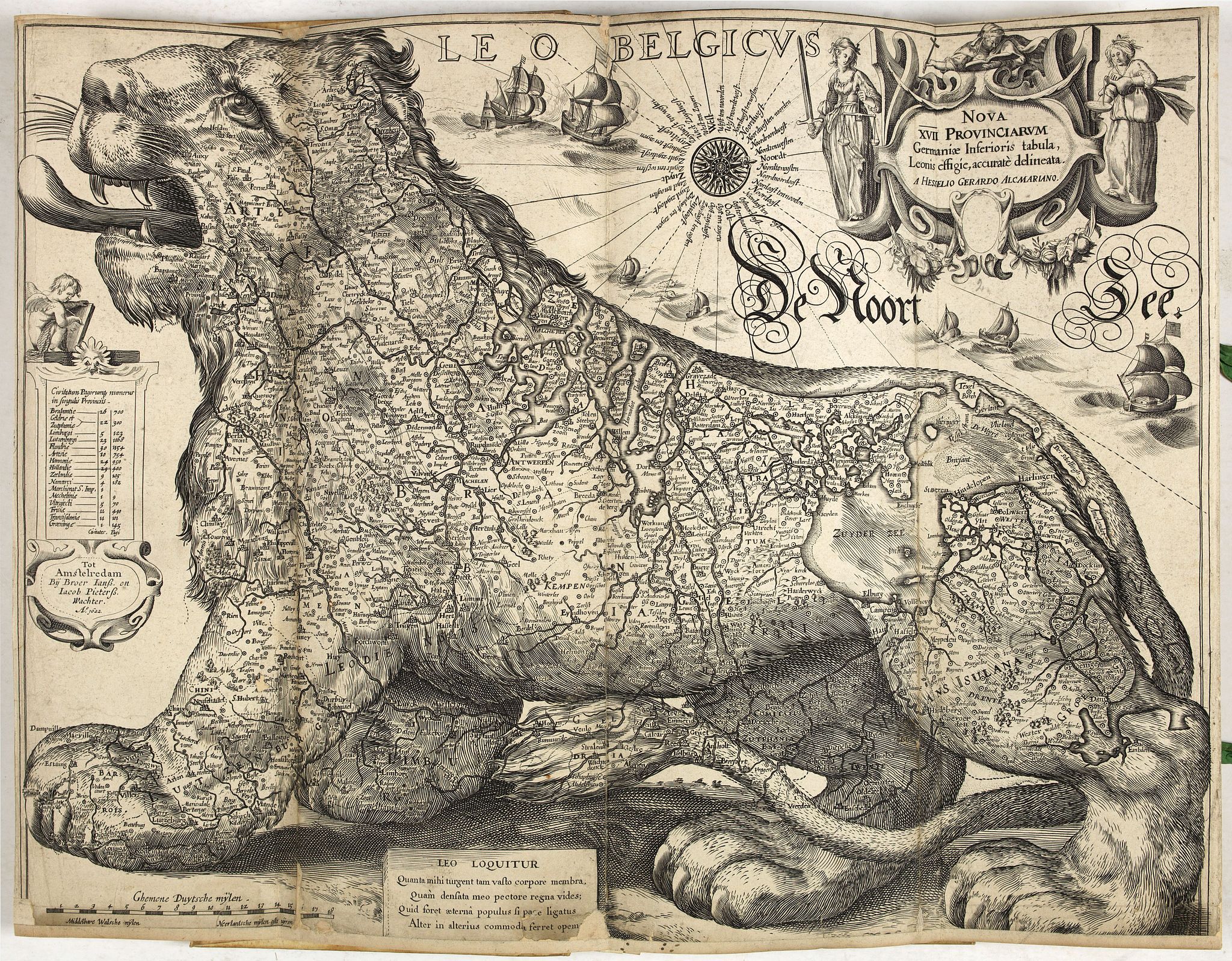
This early composite atlas includes the only known example of Hessel Gerritsz’ Leo Belgicus map in the third state of the copperplate.
This is the only known copy of the third state of copperplate II.
According to Günter Schilder, the first state was likely published by Cornelis Claesz. No example is known.
1 - This time the lion speaks for himself: “Leo loquitur”
2 - The lion’s limbs, the provinces, are truly strong
The Netherlands, depicted as a lion originated with the Austrian Michael von Aitzing (c. 1530-98), who inserted in his book "De Leone Belgico" (1583) a Leo Belgicus map engraved by Frans Hogenberg. In the preface of this work, von Aitzing explains why he chose this particular title and inserted the lion map.
He explains that Caesar mentioned in his "Commentaries" that the 'Belgae' were the strongest tribes, and he, therefore, decided - partly because of the religious conflicts in the war against Spain - to introduce the Netherlands in the shape of a lion. References: Schilder 7, Van der Heijden, Leo Belgicus, 16.3 Schilder, Monumenta Cartographica Neerlandica, II, pp. 155-159.
1 Hessel Gerritsz: Nova XVII Provinciarum Germaniae Inferioris tabula Leonis effigie, accurate delineata, with the imprint Tot Amstelredam Bij Broer Ianss. En Iacob Pieterss. Wachter A° 1622 (Schilder VII : # 15 copperplate II, third state ; V. d. Heiden, 16.3)
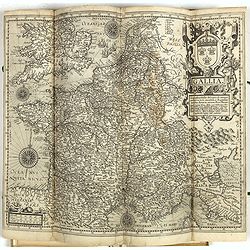
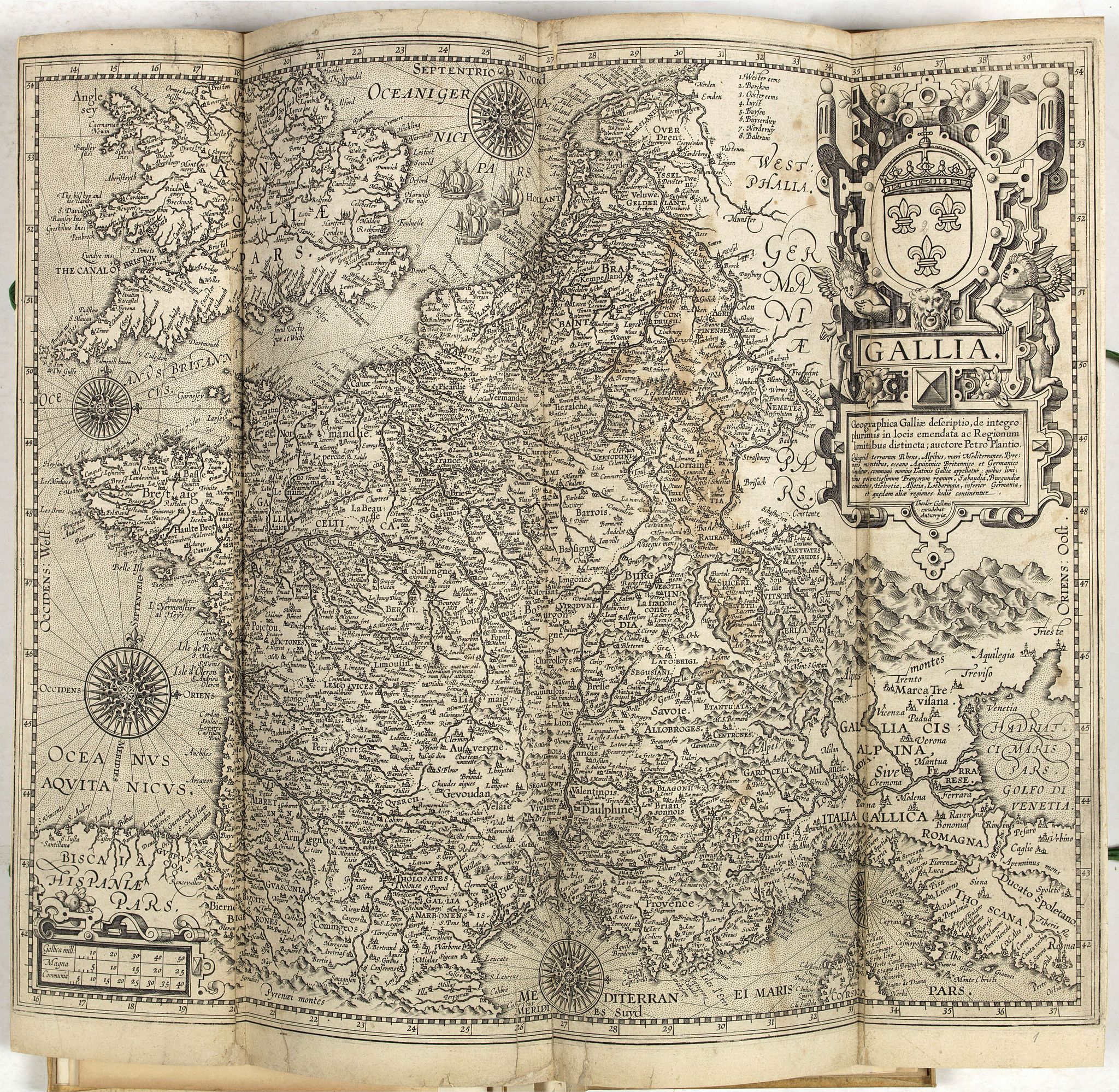
2 Theodore Galle: Gallia. Geographia Galliae description, de integro plurimus in locis.., with Galle's Antwerp imprint, after Pieter Plancius, First ûblished by Vrients in 1606 and after 1612 with the imprint of Theodor Gallaeus. (L. Bagrow, A. Ortelli Catalogus Cartographorum; C. Koeman, Atlantes Neerlandici; Peter H. Meurer, Fontes Cartographici Orteliani 150; M. Van den Broecke, Ortelius Atlas Maps, n. 36.2.)
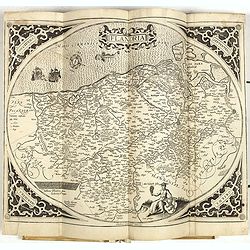
5 Gerard Mercator: Flandriae, without text, and with Galle's imprint,
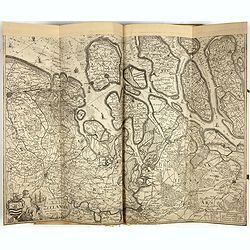
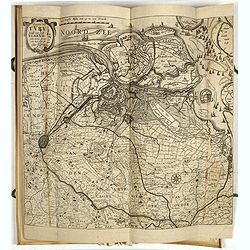
6 Pieter Verbiest: Comitatus Zeelandiae . . . anno 1633, with the imprint Antverpiae Apud Petrum verbist sub signo Americae in platea quae vulgo Lombardorum moenia dictur,
7 Abraham Ortelius: Artois, after Jean Surhon, without text, and with Galle's imprint,
8 Abraham Ortelius: Nobilis Hanoniae comitatus descrip., after Jean Surhon, without text, with Galle's imprint,
9 Abraham Ortelius: Namurcum comitatus, also after Surhon, without, and with Galle's imprint,
10 Claes Janszoon Visscher: Caerte van T'Vrye synde been gedeelte van Vlaendren van nieus gecorrigeert en met vlijt gebetert door Claes Jansz. Visscher A° 1633.
11 Jan Baptist Vrients: Limburgensis Ducatus tabula nova, as issued in the Ortelius Theatrum, from 1603 onwards, without text or imprint,
12 Abraham Ortelius: Lutzenburgensis . . . descript, after Jean Surhon, without text, and with Galle's imprint,
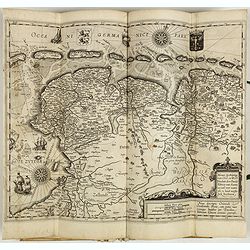
13 David Fabritius: Nieuwe beschrijvinge van Oost en West Vrieslant, issued by Galle, with his imprint,
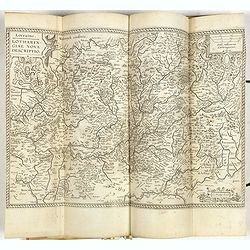
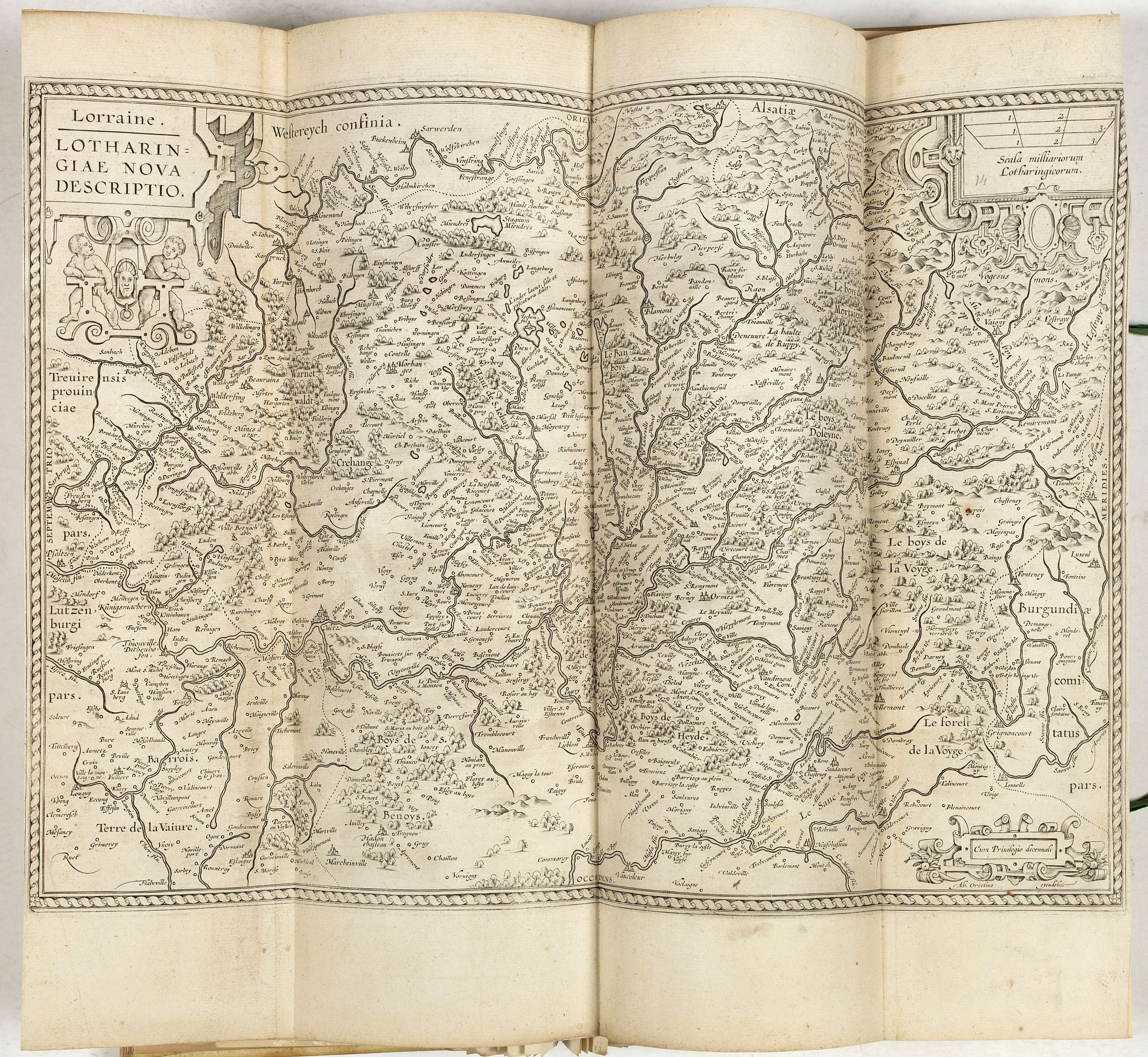
14 Abraham Ortelius: Lorraine. Lotharingiae nova descriptio, without text, no imprint except for that of Galle,
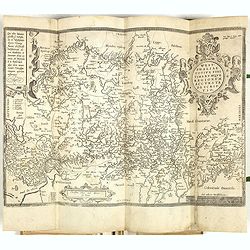
15 Abraham Ortelius: Gelriae, Cliviae. . . descriptio, after Christiaan 's Grooten, without text, and with Galle's imprint,
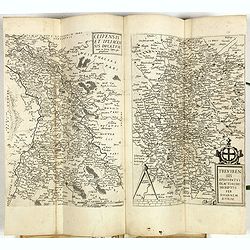
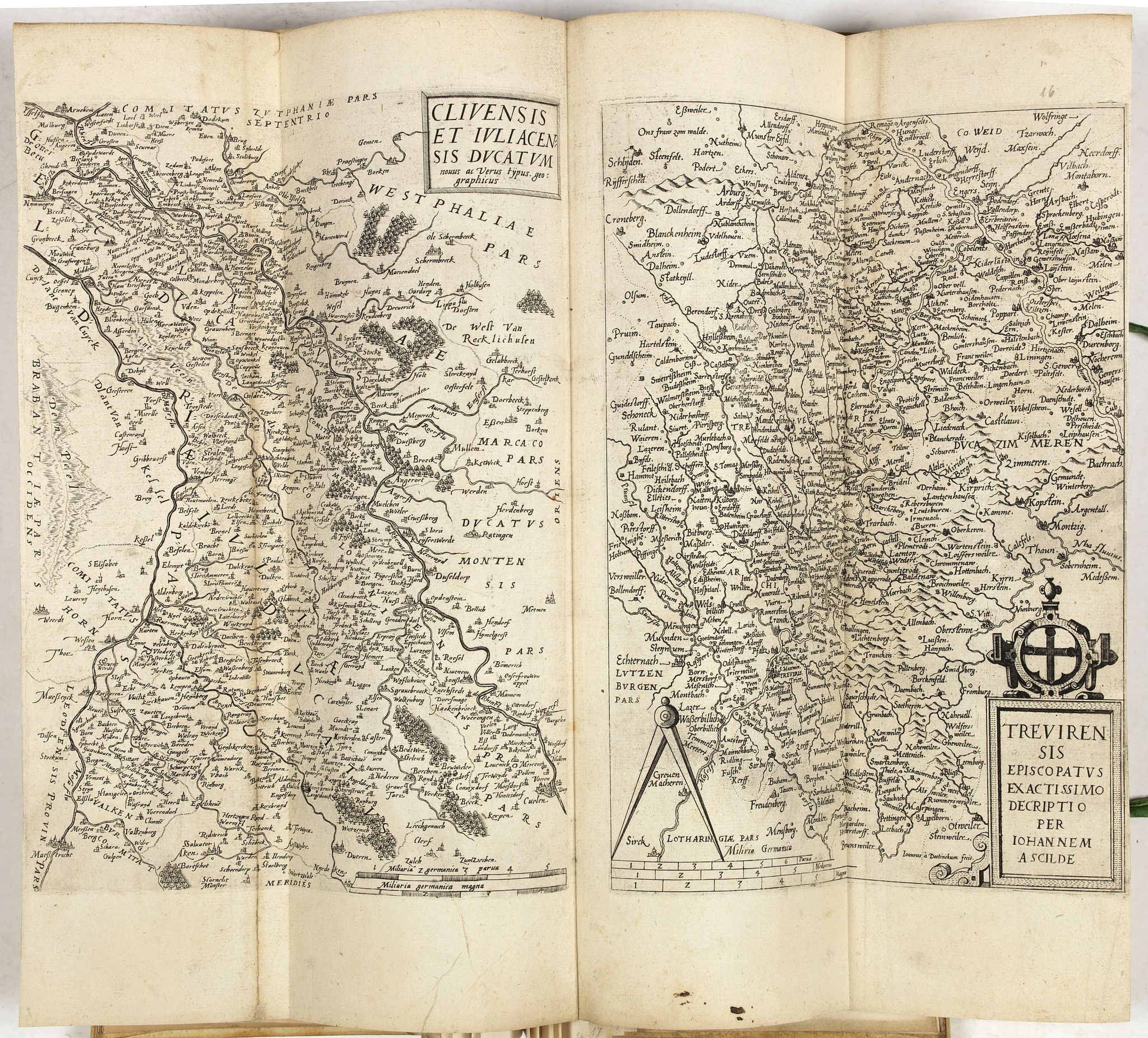
16 Gerard de Jode: Clivensis et Iuliacensis ducatuum, Trevirensis episcopatus, the two maps on one sheet, without text, no Galle imprint,
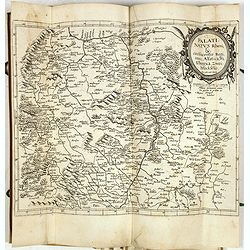
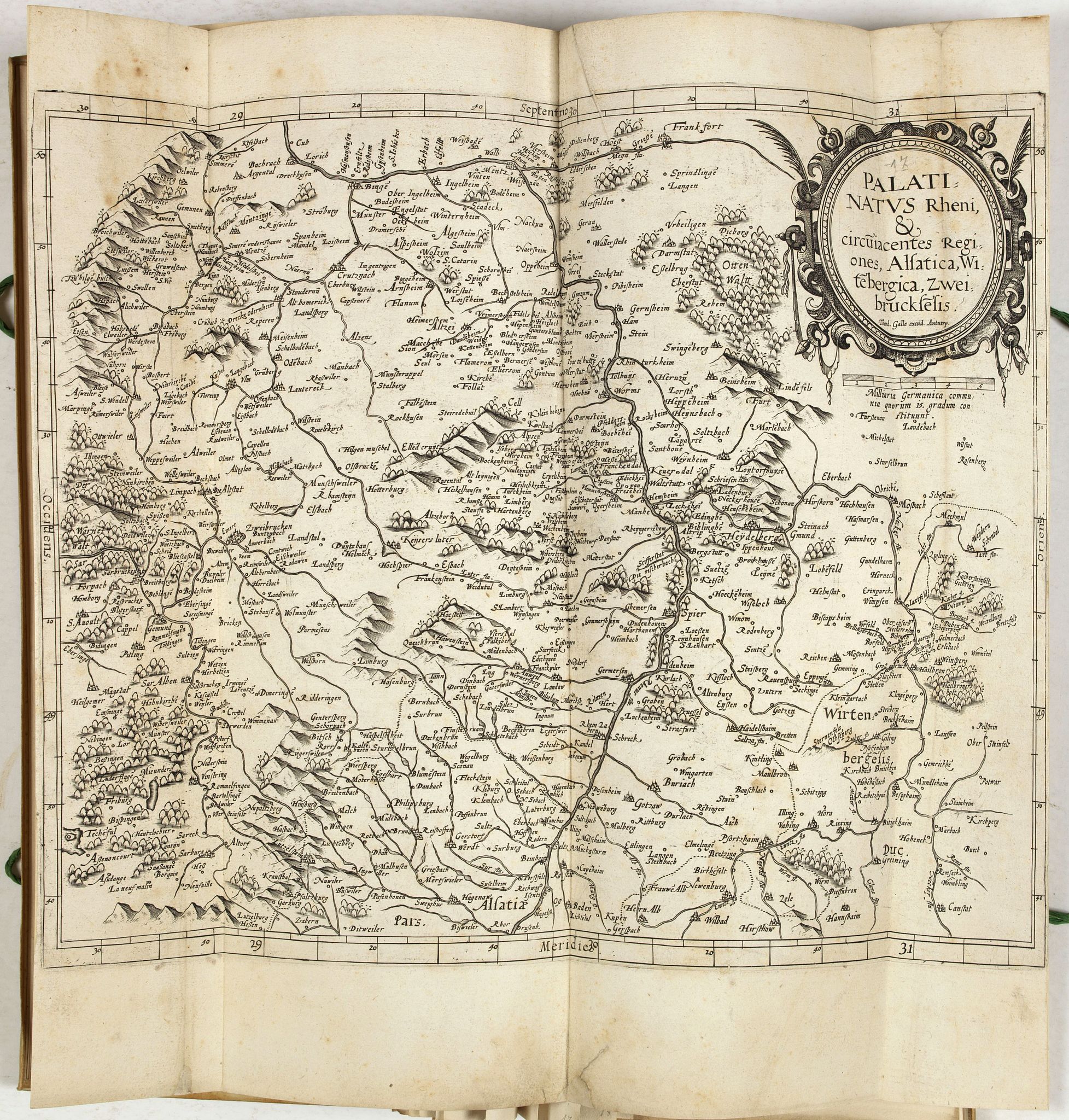
17 Gerard de Jode: Palatinatus Rheni, without text, this copy with the imprint of Galle, however,
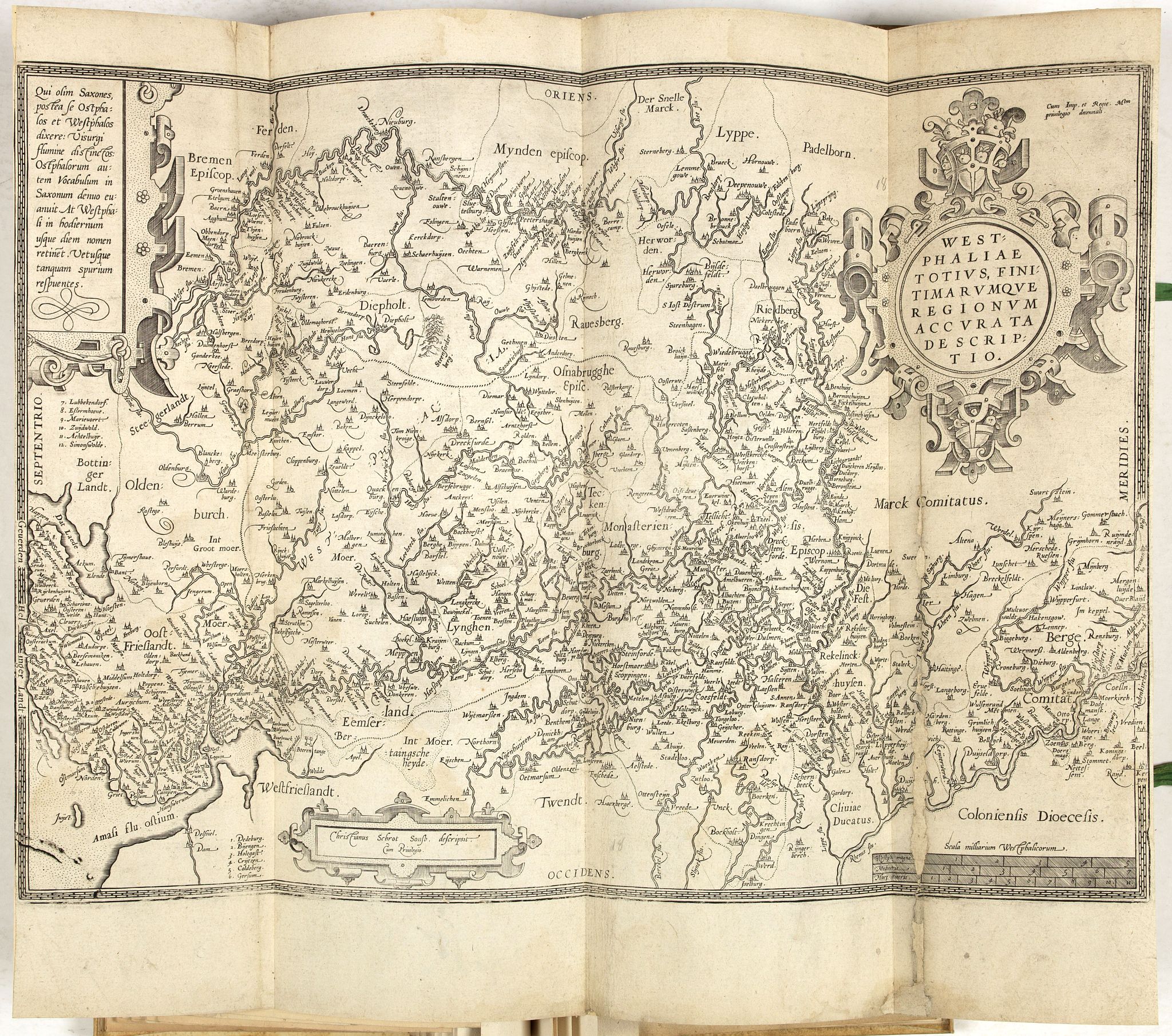
18 Abraham Ortelius: Westphaliae . . . descriptio, after Christiaan's Grooten, without text or the Galle imprint.

Reference: Schilder, Monumenta Cartographica Neerlandica, II, pp. 155-167, VII, p. 453 ; V. d. Heiden, 16.3
FAQ - Guarantee - Shipping
This item is available for immediate purchase when a "Add to Cart" or "Inquire Now" button is shown.
Items are sold in the EU margin scheme
Payments are accepted in Euros or US Dollars.
Authenticity Guarantee
 We provide professional descriptions, condition report (based on 45 years experience in the map business)
Paulus Swaen warrants the authenticity of our items and a certificate of authenticity is provided for each acquired lot.
Condition and Coloring
We indicate the condition of each item and use our unnique HiBCoR grading system in which four key items determine a map's value: Historical Importance, Beauty, Condition/Coloring and Rarity.
Color Key
We offer many maps in their original black and white condition. We do not systematically color-up maps to make them more sellable to the general public or buyer.
Copper engraved or wood block maps are always hand colored. Maps were initially colored for aesthetic reasons and to improve readability. Nowadays, it is becoming a challenge to find maps in their original colors and are therefor more valuable.
We use the following color keys in our catalog:
Original colors; mean that the colors have been applied around the time the map was issued.
Original o/l colors; means the map has only the borders colored at the time of publication.
Colored; If the colors are applied recently or at the end of the 20th century.
Read more about coloring of maps [+]
Shipping fee
A flat shipping fee of $ 30 is added to each shipment by DHL within Europe and North America. This covers : International Priority shipping, Packing and Insurance (up to the invoice amount).
Shipments to Asia are $ 40 and rest of the world $50
We charge only one shipping fee when you have been successful on multiple items or when you want to combine gallery and auction purchases.
Read more about invoicing and shipping
FAQ
Please have a look for more information about buying in the BuyNow gallery
Many answers are likely to find in the general help section.
My Collection+

With My Collection+ you can collect all your favorite items in one place. It is free, and anyone can create his or her virtual collection.
Unless you are logged in, the item is only saved for this session. You have to be registed and logged-in if you want to save this item permanently to My Collection+. Read More[+]
Register here, it is free and you do not need a credit card.
Add this item to My Collection+ or click the following link to see My Collection+.
|
Digital Image Download Paulus Swaen maintains an archive of most of our high-resolution rare maps, prints, posters and medieval manuscript scans. We make them freely available for download and study. Read more about free image download |
Click the image for a free small image download. |
YOUR RIGHT TO CANCEL THE PURCHASE OF A LOT
In accordance with the EU Consumer Rights Directive and habitually reside in the European Union you have the right to cancel the contract for the purchase of a lot, without giving any reason.
The cancellation period will expire 14 calendar days from the day after the date on which you or a third party (other than the carrier and indicated by you) acquires, physical possession of the lot. To exercise the right to cancel you must inform Paulus Swaen Inc, of your decision to cancel this contract by a clear statement (e.g. a letter sent by post, or e-mail.
To meet the cancellation deadline, it is sufficient for you to send your communication concerning your exercise of the right to cancel before the cancellation period has expired.
